

There are a lot of things I love about living on a farm in Eastern Ontario.
The quiet mornings.
Watching the garden come to life.
The rabbits.
The chickens.
The simple satisfaction of building something with your own hands.
Then there are ticks.
I REALLY hate ticks because, ticks nearly killed me.
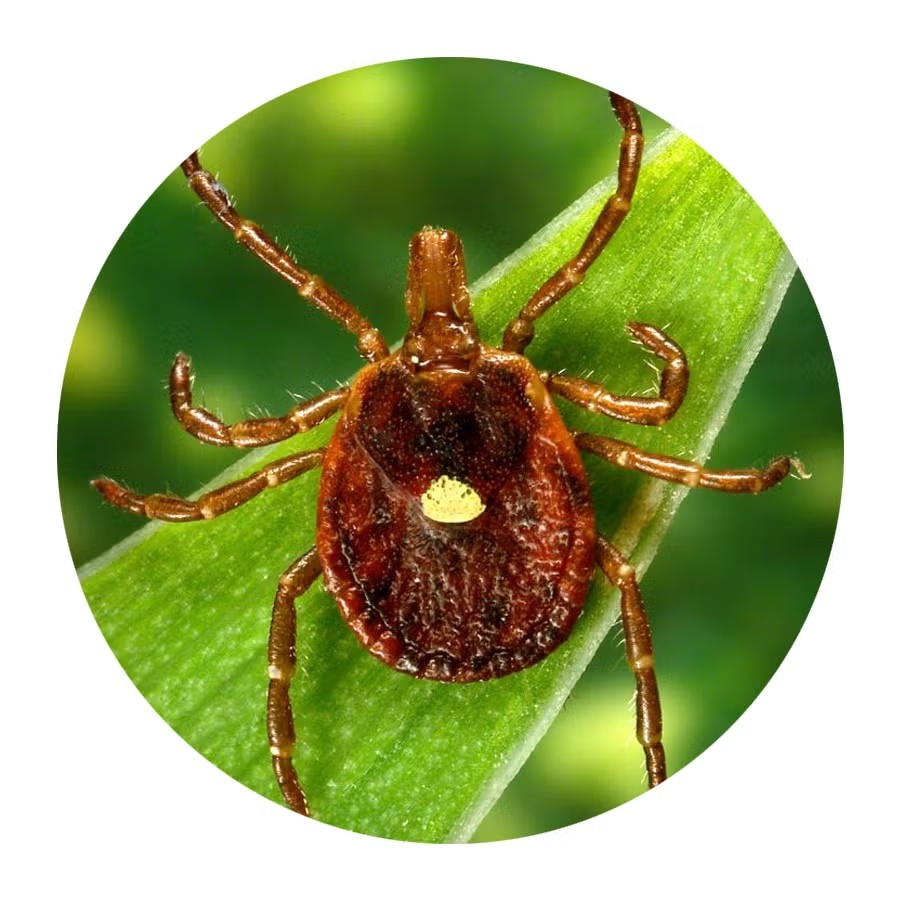
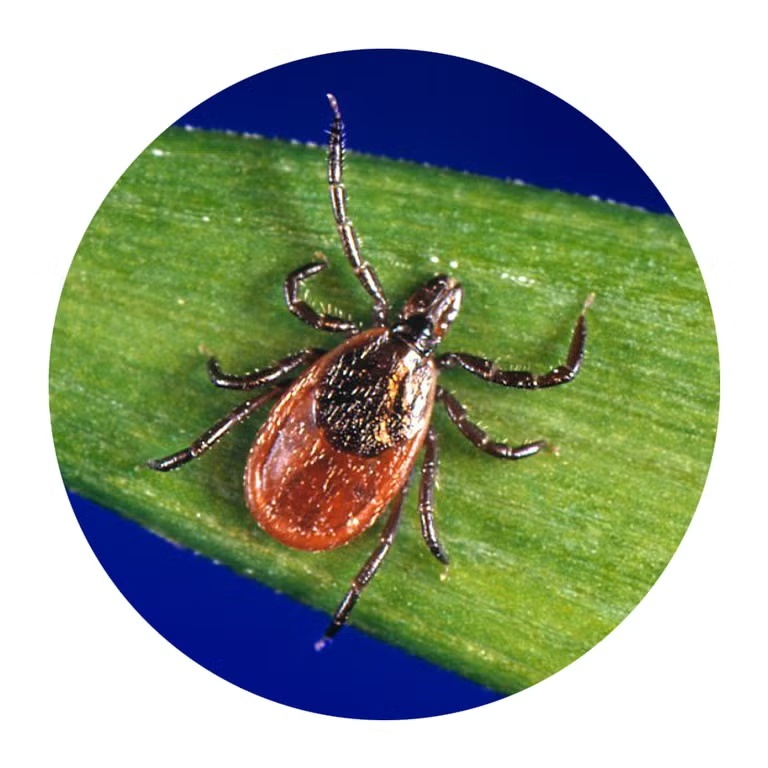
Living on a farm in Eastern Ontario, ticks have become an unfortunate fact of life. Once the temperature climbs above about 5°C, they become active, and from that point until late fall, they are simply something you learn to live with.
Unfortunately, my education about ticks didn’t begin here.
It began years ago when I was living in Poughkeepsie, New York.
One year, they nearly killed me.
At first, I just wasn’t feeling well.
Actually, that’s not entirely true.
I was running a fever of around 103°F (39.4°C) for two or three days. Every muscle hurt. I felt absolutely miserable. Like most stubborn men, I was convinced I had caught some particularly nasty flu and that eventually I’d get over it.
My wife had other ideas.
Finally, she looked at me and said, “Enough.”
She drove me to see an old country doctor.
I’m glad she did.
The doctor actually listened.
He asked questions.
He examined me.
He took my temperature.
Then he looked at me and said something I’ll never forget.
“I know what you have.”
Ehrlichiosis.
I’d never even heard of it.
Ehrlichiosis is a bacterial illness caused by Ehrlichia species and transmitted through the bite of infected ticks. Symptoms usually appear between 5 and 14 days after a tick bite and often resemble a severe case of the flu—high fever, chills, muscle aches, headaches, fatigue and generally feeling like you’ve been run over by a truck.
Untreated, it can become extremely serious.
The doctor calmly explained that, in his opinion, I was probably only a few days away from organ failure.
Then, in a manner that only an experienced country doctor could manage, he shrugged and said,
“No big deal.”
He prescribed doxycycline, the antibiotic considered the first-line treatment for ehrlichiosis and Lyme disease, and sent me home.
Within twenty-four hours, I was already feeling dramatically better.
That prescription almost certainly saved my life.
Needless to say…
This is why I HATE ticks.
When I eventually moved back to Canada, I assumed I’d left the tick problem behind.
I couldn’t have been more wrong.
The little buggers had simply decided to migrate north.
Marvelous.
Now they’re firmly established throughout much of Eastern Ontario, and if you spend enough time outdoors, especially around long grass, brush, or woodland, chances are you’ll eventually meet one.
Around here, tick encounters have become almost a daily occurrence.
Sometimes they hitchhike on me.
Sometimes they hitchhike on the Wonder Twins.
Sidebar: If you’re new here, “The Wonder Twins” are my two rescue Miniature Pinschers. They’re roughly ten pounds each and somehow possess the confidence of animals ten times their size. Imagine a Greyhound, Dachshund, and Chihuahua all contributing to the same questionable engineering project.
They’re all attitude.
They have absolutely no idea they’re small.
If given the opportunity, I’m convinced they’d challenge a pack of wolves just to prove a point.
Fortunately, they haven’t had the opportunity.
Back to ticks…
Of all the creatures roaming this planet, I simply cannot understand why ticks were necessary.
Mosquitoes are annoying.
Blackflies are relentless.
Horseflies seem fueled entirely by spite.
But ticks occupy a category all their own.
Since they’re usually found in long grass…
…and this is a farm…
…I have long grass.
Conventional wisdom says you should wear long pants whenever you’re walking through areas where ticks may be present.
That is excellent advice.
I, however, have discovered something that works surprisingly well for me.
I wear shorts.
Now before everyone starts writing angry emails, let me explain.
I have hairy legs.
TMI?
As strange as this sounds, those hairy legs act like an early warning system. I can usually feel a tick crawling long before it reaches somewhere I’d rather it didn’t. Ninety-nine times out of a hundred, I simply pluck it off and drop it into a small pill bottle filled with rubbing alcohol that I carry with me.
The alcohol kills the tick quickly, ensuring it can’t crawl off and find another victim.
Unfortunately, every now and then one manages to sneak past my early warning system.
The worst offenders seem to head for my scalp.
That’s one of the reasons I keep my hair cut very short during the summer months.
It makes tick checks much easier.
One thing people often associate with tick bites is the famous bull’s-eye rash, known medically as erythema migrans.
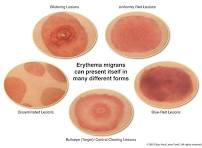
It is one of the most recognizable signs of early Lyme disease and usually appears 3 to 30 days after an infected tick bite. In many people, it slowly expands over time and may resemble a target.
The important thing to remember is that not everyone develops the rash.
In fact, some people never see one at all.
Likewise, many people never notice the tick itself. Young ticks, called nymphs, can be no bigger than a poppy seed.
That’s why it’s important to pay attention not only to your skin but also to how you’re feeling.
If you remove an attached tick, don’t simply forget about it.
Watch for symptoms over the following days and weeks.
Here in Ontario, pharmacists can prescribe a single preventive 200 mg dose of doxycycline in certain high-risk situations after a black-legged tick bite, provided treatment begins within 72 hours of removing the tick and other clinical criteria are met. Not every tick bite requires antibiotics, so if you’re unsure, it’s worth speaking with your pharmacist or healthcare provider.
While Lyme disease gets most of the attention, ticks can carry several other diseases as well.
As my experience demonstrated, Lyme disease isn’t the only thing they have in their microscopic arsenal.
The key is awareness.
Remove ticks promptly using fine-tipped tweezers.
Monitor for symptoms.
Seek medical advice if you’re concerned.
Don’t assume you’re “probably fine” just because you don’t see a rash.
Trust me.
I’ve already tested that theory.
There are plenty of tick repellents on the market, and I absolutely recommend using them when appropriate.
But they’re a bit like the safety on a shotgun.
Use them.
Just don’t trust them completely.
Ultimately, living on a homestead means accepting that nature comes with both beauty and hazards.
The birds.
The gardens.
The wildlife.
The fresh air.
And yes…
The ticks.
I still wouldn’t trade this life for anything.
I just wish it came with fewer passengers looking for a free meal.
Stay safe.
Check yourself.
Check your kids.
Check your pets.
It only takes a few minutes, and those few minutes could make all the difference.
Read more:
👉10 Types of Ticks That Transmit Diseases, Where They Live, and How to Identify Them
Come Follow Along!
I’ve launched a YouTube channel for the homestead.
If you could, please stop in, view the video, select “Like,” subscribe, and share the link. These things will really help the channel get off the ground.
Now on TikTok!
Starting this week, I have launched a page on TikTok.
Please drop by if you get a chance.
More content is forthcoming.
👉 TikTok
Ready to Start Your Own Journey?
If you’re thinking about starting your own homestead, check this out:
👉 Learn More
Shop For Blue Gypsy Homestead Products Online!
If you’d like to see more of what we offer for sale, please stop in at our
👉 Online Store

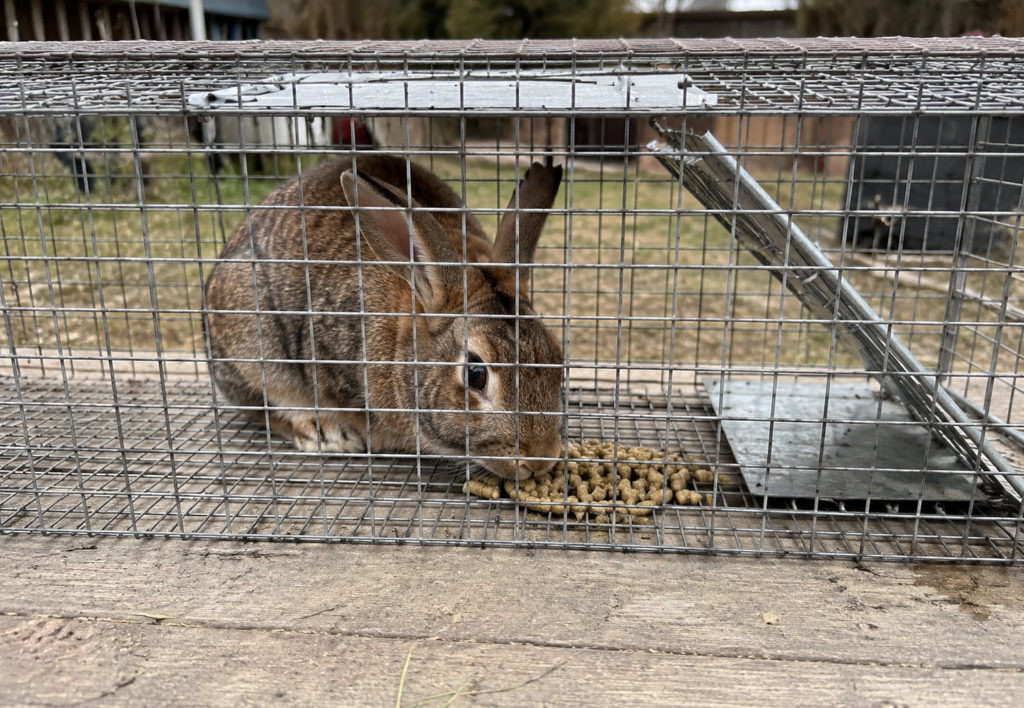 To my immense relief, they did. One by one, the escape artists found their way back into custody, no doubt questioning why the forbidden treats had suddenly become so easy to acquire. As of now, all but one rabbit has been recovered. There’s still one holdout somewhere on the property, and while I can’t help but admire its determination and apparent commitment to independence, I’m holding onto the hope that a little patience—and perhaps the promise of another favourite snack—will eventually bring this final wanderer home. After all, if homesteading teaches anything, it’s that ingenuity often matters just as much as hard work, and sometimes the gentlest solutions turn out to be the most effective.