The Real Cost of a Homestead – BLOG 2026/Apr/23

The Real Cost of a Homestead (It’s Not What You Think)

https://images.openai.com/static-rsc-4/lHBbS2zfCeCdYrRtDZg-eV7ZUV9qtkYbCptybnQUMaggM9iLmBQ7aI1xjuK32RLdL-X3SvbAOpwCGTgWPZHlFnuXs9EkkT8WfqepJbFk6ZrUo-sk0axe2cjnXavHb1gJZEkbZk84Fe3VyTIAe77tsA1lCTbdpg02lIPGzjng178GSxQm4ovsaBA75J5UXXMI?purpose=fullsize

When people hear “homestead,” they often think it costs a lot of money.

Big land. Big tools. Big bills.

But the truth is… it doesn’t have to be that way.


🧾 Where the Money Really Goes

Yes, there are costs.

Things like:

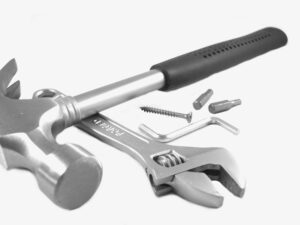
    • Tools
    • Seeds
    • Wood or building supplies
    • Water and soil

But here’s the key:

👉 You don’t have to buy everything at once.

Most homesteads grow step by step.


🛠️ Start Small (Really Small)

You don’t need 62 acres to begin.

https://images.openai.com/static-rsc-4/C167nH6nMgjzNBW0707JL2-rKOsqIbiBeRecC3XQP9jcebPiWULfQp7QrUnc2fN6VbbKo5L0OuBlM7iqM3Tf4OddAq6M2Sye501mhRugLPAa0zO_vB63K3rS0BxU_3qZR8AiPMmDJIXBlBGARTXZ5jtvUVPxMkgdME1TJ1vSzk_kpP7EhWz8xmAUr93lfQ1L?purpose=fullsizeYou can start with:

    • A few pots
    • A small garden bed
    • A simple project like a compost bin

Even growing one thing is a win.


♻️ Use What You Already Have

https://images.openai.com/static-rsc-4/UHuwOdLndIzV3IFg7hEUVeN-bCVOtmuBYX9MrbTgU5HGrEmD0TBR42KfMhfbpkqKnWI78DDi8qmKkqG3WU3iiIaWINTM_1snhs81Z8M5uPFaXcT4o0RQx03Ex82jsk89mtwsf-JXiaL7KuA91rZImFytCA0bc37tjALMF0wMARXQuQ1jwNp83TFefK6Vso4Y?purpose=fullsize

This is where things get interesting.

A lot of homesteading is about using what’s around you.

For example:

    • Old pallets → small buildings or garden beds
    • Kitchen scraps → compost
    • Leftover wood → repairs or fences

Less buying. More building.


💸 Save Money Over Time

Homesteading is not always about making money.

But it can help you keep more of it.

You can save by:

    • Growing your own food
    • Learning to repair things instead of replacing them (YouTube is a huge help in many cases)
    • Wasting less

It’s slow savings… but it adds up.


🧠 The Mindset Shift

This is the biggest change.

You stop asking:
👉 “What should I buy?”

And start asking:
👉 “What can I make?”

That one shift can change everything.


😄 Real Talk

Some projects will:

    • Cost more than planned
    • Take longer than expected
    • Not work the first time

That’s normal.

You learn as you go.


🌱 It’s Not About Being Perfect

You don’t need:

    • Fancy tools
    • A perfect plan
    • A big budget

You just need to start.


🌞 Final Thought

Homesteading isn’t about spending more.

It’s about spending smarter.

And sometimes… spending less.

Come Follow Along!

I’ve launched a YouTube channel for the homestead.
If you could, please stop in, view the video, select “Like,” subscribe, and share the link. These things will really help the channel get off the ground.

👉 YouTube Channel


Ready to Start Your Own Journey?

If you’re thinking about starting your own homestead, check this out:
👉 Learn More

Daily Life on a Homestead

Daily Life on My Homestead 🌱

Life on a homestead is simple—but it is also full.

Every day has its own rhythm. Some days feel calm. Other days feel busy. But every day has a purpose.

If you’ve ever wondered what daily life looks like on a homestead, here’s a real look behind the scenes.


Mornings Start Early ☀️

The day usually starts with the sun.

Animals don’t sleep in—and neither do I.

Morning chores often include:

    • Feeding animals
    • Giving fresh water
    • Collecting eggs
    • Checking fences and shelters

It’s quiet in the morning. Peaceful. You hear birds, maybe a soft breeze, and the sounds of the animals waking up.

It’s one of the best parts of the day.


The Garden Always Needs Something 🌿

After chores, it’s time to check the garden.

Some days I:

    • Water plants
    • Pull weeds
    • Harvest vegetables
    • Check for pests

The garden is always changing. One day it looks amazing. The next day… not so much.

That’s just part of it.


There’s Always Work to Do 🔧

Homesteading is never really “done.”

There is always something that needs attention:

    • Fixing things that broke
    • Cleaning up spaces
    • Building or improving something
    • Planning the next project

Some days are small tasks. Some days turn into big jobs.

You learn to take it one step at a time.


Meals Feel Different 🍳

Food on the homestead feels more meaningful.

When you grow it yourself—or raise it—you see the effort behind every meal.

Simple meals feel special:

    • Fresh eggs in the morning
    • Vegetables picked that day
    • Food made from scratch

It doesn’t have to be fancy to feel good.


Things Don’t Always Go As Planned 🌧️

Not every day is perfect.

    • Weather can change quickly
    • Plants can fail
    • Animals can get into trouble
    • Tools can break

Some days feel frustrating.

But those days teach the most.


Evenings Slow Things Down 🌙

As the day ends, things quiet down again.

Evening chores might include:

    • Checking animals
    • Refilling water
    • Locking things up for the night

Then it’s time to rest.

There’s a different kind of tired at the end of a homestead day. It’s a good tired.


It’s Not Always Easy—But It’s Worth It ❤️

Homestead life is not perfect.

It’s:

    • Messy
    • Busy
    • Sometimes hard

But it’s also:

    • Peaceful
    • Rewarding
    • Real

You feel connected to what you do each day.


Come Follow Along!

I’ve launched a YouTube channel for the homestead.
If you could, please stop in, view the video, select “Like,” subscribe, and share the link. These things will really help the channel get off the ground.

👉 YouTube Channel


Come Follow Along!

I’ve launched a YouTube channel for the homestead.
If you could, please stop in, view the video, select “Like,” subscribe, and share the link. These things will really help the channel get off the ground.

👉 YouTube Channel


Ready to Start Your Own Journey?

If you’re thinking about starting your own homestead, check this out:
👉 Learn More

The Simple Joy of Hanging Laundry Outside – BLOG 2020/Apr/20

🧺 I never thought much about laundry.
https://images.openai.com/static-rsc-4/IJOhoxKY3ADpWIM-MxOJU_yzX-ykhh6xu08Js9oSdTNWRhMKxur6ARuEsSv1kSwqK7UtPNTg8xYcoTNZRaRp7fM5n64P1AzBUaAx9zV1-dBNObc9zqJO64xFiw2T39AYnCxJgTjYBCDkT1J1iWB6FdutCfKA-RWBuLYgBGatDoaJxLcERxY4A-aiDJOtr6TA?purpose=fullsize
Wash it. Dry it. Fold it. Done.
Then one day, I hung my clothes outside.
https://images.openai.com/static-rsc-4/jgNGTq-69XhKBJqwSSKFc3xq-0_CZHG73cl8lZRpHO7EKcI9uBeCoq-GdUz8YeLbwX4LFA8G3hyoj1dGSZSJ0-Z529ugnY_rbe30P_01Xx7E_H3zaj93_cbw_9o83tyxuPOBqodTjEj-4IeMreEQfsGLa538yHlfNb6-6iIPtniQjAzWacpe4MMdf7skFocy?purpose=fullsize
And something changed.

🌞 It Starts With the Wind & the Sun

The O.G. wind-/solar-powered, option. There’s just something about the wind and sun doing the work.

No buttons. No buzzing dryer. No heat bill.

Just:

    • Warm sunshine
    • A soft breeze
    • Time doing its thing

It feels slower… in a good way.

👕 Why It’s Actually Better

Clothes dried outside feel different.

They are:

    • Fresh
    • Crisp
    • Smell like clean air (not fake scent)

Even your towels feel stronger and last longer.

💸 Bonus: It Saves Money

Dryers use a lot of power.

When you hang laundry:

    • You use less electricity
    • Your clothes wear out slower
    • You spend less over time

It’s a small change that adds up.

🌿 It’s Not Just for Farms

You don’t need a big homestead.

You can do this:

    • In a backyard
    • On a balcony
    • Even by a window

All you need is:

    • A line (or drying rack)
    • A few clothespins
    • A bit of space

😄 Real Life Moment

    • Sometimes a sock falls.
    • Sometimes the wind steals a shirt.
    • And yes… sometimes you forget and it rains.

It happens.

But somehow, that’s part of the fun.

🧠 Why It Feels So Good

Hanging laundry gives you a moment to pause.

    • You step outside.
    • You look around.
    • You breathe a little deeper.

It turns a chore into something calm.

🌞 Final Thought

Not everything has to be fast.

Some things are better slow.

Even laundry.

Come Follow Along!

I’ve launched a YouTube channel for the homestead.
If you could, please stop in, view the video, select “Like,” subscribe, and share the link. These things will really help the channel get off the ground.

👉 YouTube Channel


Ready to Start Your Own Journey?

If you’re thinking about starting your own homestead, check this out:
👉 Learn More

Homesteading on a Budget

💰 Homesteading on a Budget (Yes, It’s Actually Possible)

A lot of people think homesteading costs a lot of money.

Image

Big land. Big tools. Big bills.

But here’s the truth:

👉 You can start a homestead on a budget.

In fact, most real homesteads start that way.


🧱 Start Small (This Saves You the Most Money)

The fastest way to waste money?

    • Trying to do everything at once.

ImageInstead:

    • Start with one garden bed
    • One small project
    • One skill

That’s it.

Small steps = less cost + less stress.


♻️ Use What You Already Have

This is where things change.

Before buying anything, ask:

👉 “What do I already have?”

You can use:

    • Old pallets → garden beds, sheds
    • Scrap wood → repairs
    • Kitchen scraps → compost

ImageLess buying. More building.


🛠️ Learn to Fix Things

This is one of the biggest money savers.

Image

Instead of calling someone:

Try learning how to:

    • Fix small engines
    • Do basic car maintenance
    • Repair tools

Even simple repairs can save hundreds of dollars a year.

Just remember:
👉 Start small and stay safe.


📺 Use YouTube (The Smart Way)

YouTube is a great place to learn.

But don’t stop at one video.

Watch:

    • Different methods
    • Different people
    • Different approaches

This helps you understand:

    • What works
    • What doesn’t
    • What’s safe

🌱 Grow Your Own Food (Start Simple)

Image

You don’t need a huge garden.

Start with:

    • Potatoes
    • Beans
    • Greens

ImageThese are:

    • Easy to grow
    • Low cost
    • High return

Over time, your garden grows with you.

Image


💸 Understand the Real Costs

Homesteading isn’t free.

But it becomes cheaper over time.

You save money by:

    • Growing food
    • Fixing things
    • Wasting less

Think long-term—not quick wins.


😄 Real Talk

Things will:

    • Cost more than expected sometimes
    • Take longer than planned
    • Not always work

That’s normal.

That’s part of the process.


🧠 The Mindset Shift

Instead of asking:

👉 “What should I buy?”

Start asking:

👉 “What can I build or fix?”

That one question changes everything.


🌞 Final Thought

Homesteading on a budget isn’t about doing less.

It’s about doing things smarter.

Start small. Use what you have. Learn as you go.


Come Follow Along!

I’ve launched a YouTube channel for the homestead.
If you could, please stop in, view the video, select “Like,” subscribe, and share the link. These things will really help the channel get off the ground.

👉 YouTube Channel


Ready to Start Your Own Journey?

If you’re thinking about starting your own homestead, check this out:
👉 Learn More

Starting a Homestead with NO Experience

Starting a Homestead With Zero Experience: What It’s Really Like 🌱

So, you want to start a homestead—but you have no experience.

That’s okay. Everyone starts somewhere.

The truth is, most people don’t grow up knowing how to garden, raise animals, or fix things. They learn by doing. And yes… they make a lot of mistakes along the way.

Let’s talk about what it’s really like to start from zero.


You Don’t Need to Know Everything

It might feel scary at first.

You may wonder:

    • “What should I grow?”
    • “What if I mess it up?”
    • “Where do I even start?”

Here’s the good news: you don’t need all the answers right now.

Start small. Learn one thing at a time.

That’s how every homesteader begins.


It’s Not Always Easy

Image

Image

Homesteading is often shown as calm and pretty.

But real life looks different.

    • Plants don’t always grow
    • Animals need care every day
    • Tools break
    • Weather changes your plans

Some days will feel hard. Some days will feel frustrating.

That’s normal.


You Will Make Mistakes (And That’s Okay)

Image

Image

Image

    • Maybe your first garden won’t grow well.
    • Maybe you forget to water something.
    • Maybe you spend money on the wrong tool.

These things happen to everyone.

Mistakes are not failure—they are how you learn.


Be Careful What You See Online

Image

Image

Image

Image

Videos on YouTube can make homesteading look perfect.

You see:

    • Big harvests
    • Clean barns
    • Happy animals
    • Beautiful meals

But those videos don’t always show the hard parts.

They often skip:

    • Dead plants
    • Long, tiring days
    • Things going wrong

If you plan your whole homestead based on one video, you may feel disappointed.


Learn From Many People

Image

Image

Image

Image

Image

Image

Instead of following just one source, learn from many.

    • Watch different videos
    • Read blogs
    • Talk to people if you can

Take the best advice from each one.

Then try things for yourself.

What works for someone else might not work the same for you—and that’s okay.


Start Small and Build Slowly

Image

Image

Image

Image

Image

You don’t need land, animals, and a big garden all at once.

Start with something simple:

    • A few herbs in a pot
    • One small garden bed
    • Learning to cook from scratch

As you learn, you can grow more.


It Takes Time

Image

Image

Image

Image

Image

Homesteading is not fast.

    • Plants take time to grow.
    • Skills take time to learn.
    • Confidence takes time to build.

You won’t know everything in a week—or even a year.

But if you keep going, you will get better.


The Rewards Are Real

Image

Image

Image

Even with the hard parts, there are amazing moments.

    • Your first harvest
    • Your first meal you grew yourself
    • Seeing something succeed after trying again

These small wins feel big.


Final Thoughts

Starting a homestead with zero experience is not easy—but it is possible.

You will learn.
You will grow.
You will get stronger with each step.

Just remember: it’s not about being perfect. It’s about starting.


Ready to Begin?

If you want a simple, step-by-step way to start your homesteading journey, check this out:
👉 Learn More


Come Follow Along!

I’ve launched a YouTube channel for the homestead.
If you could, please stop in, view the video, select “Like,” subscribe, and share the link. These things will really help the channel get off the ground.

👉 YouTube Channel

The Reality of Homesteading

🌾Homesteading: It’s Not Always Picture Perfect

Homesteading looks beautiful online. You see fresh eggs, big gardens, and cute animals. It feels calm and simple.

But here’s the truth: real homesteading is not always easy.

Homesteading videos on YouTube can look bright and easy. You see big gardens, cute animals, and perfect meals. But those videos don’t always show the full story. They often skip the hard parts, like early mornings, broken tools, sick animals, or crops that fail. Real life has mud, mess, and mistakes. If you only watch one channel, you might get the wrong idea. It’s better to watch many people and learn from all of them. Take the tips that work best for you, and remember that your journey will look different—and that’s okay.

It’s messy. It’s hard work. And some days, it feels like nothing goes right.

Let’s talk about what homesteading is really like.


It’s a Lot of Work (Every Single Day)

Animals and plants don’t take days off.

    • Chickens still need food and water
    • Gardens still need care
    • Animals still need cleaning

Even when it rains. Even when you’re tired. Even when you just don’t feel like it.

There are no weekends off. That’s one of the biggest surprises for people.


Things Will Go Wrong

No matter how much you plan, things will happen.

    • Plants may die
    • Seeds may not grow
    • Animals can get sick
    • Weather can ruin your hard work

It can feel frustrating. You might even want to quit.

But this is part of the journey. Every mistake teaches you something new.


It Can Get Expensive

Many people think homesteading saves money right away.

That’s not always true.

You may need to buy:

    • Tools
    • Soil
    • Seeds
    • Feed for animals
    • Fencing or shelter

Over time, you can save money. But at the start, there are costs.

The key is to go slow and spend wisely.


It’s Not Always “Instagram Pretty”

Homesteading online looks clean and peaceful.

Real life looks more like:

    • Mud on your boots
    • Broken fences
    • Weeds in the garden
    • Dirty hands

And that’s okay.

Real homesteading is about living, learning, and doing—not looking perfect.


Weather Is in Charge

You can plan everything, but the weather has the final say.

    • Too much rain can flood your garden
    • Not enough rain can dry everything out
    • Cold snaps can kill plants overnight

You learn to work with nature, not fight it.


It Can Feel Lonely

Homesteading often means spending a lot of time alone.

You might:

    • Work by yourself
    • Have fewer nearby neighbors
    • Miss city life sometimes

That doesn’t mean it’s bad—but it is different.

Many people find ways to connect through local groups or online communities.


But… It’s Also Worth It ❤️

Even with all the hard parts, there are moments that make it all worth it.

    • Eating food you grew yourself
    • Watching seeds turn into plants
    • Collecting fresh eggs in the morning
    • Feeling proud of what you built

These moments are simple, but powerful.


You Learn to Be Strong

    • Homesteading teaches patience.
    • It teaches problem-solving.
    • It teaches you how to keep going, even when things don’t work the first time.
    • Over time, you become more confident in what you can do.

Start Where You Are

You don’t need a big farm to begin.

You can start small:

    • A few pots of herbs
    • A small garden bed
    • Learning how to cook from scratch

Every step counts.


Final Thoughts

The reality of homesteading is this:

    • It’s not perfect.
    • It’s not easy.

But it is real.

And for many people, that’s exactly what makes it so special.


Come Follow Along!

I’ve launched a YouTube channel for the homestead.
If you could, please stop in, view the video, select “Like,” subscribe, and share the link. These things will really help the channel get off the ground.

👉 YouTube Channel


Ready to Start Your Own Journey?

If you’re thinking about starting your own homestead, check this out:
👉 Learn More

Avoiding Common Mistakes

Common Homestead Beginner Mistakes (And How to Avoid Them) 🌱

Starting a homestead is exciting. You picture fresh food, simple living, and a peaceful life.

But when you’re new, it’s easy to make mistakes.

The good news? Everyone makes them. And you can learn fast if you know what to watch for.

Also—let’s clear this up right away: you do not need acres of land to homestead. A small space with good soil can do more than a big space that’s hard to manage.

Let’s walk through some common beginner mistakes.


Starting Too Big Too Fast

https://images.openai.com/static-rsc-4/fbqsCUeSV87NUdZJJBHZg1ZiPwAKyvEUYzQVUOKonVyOZnh-VNbfTqh6wvvTI8XgZkyWVnVvXpZJN6d99ElufhZJqovgaW-wrlJvLAMngXUVnApkdj5R9OhXMdtwR4x6DvPgHfaVk3MPPCXxmrT-k2dYh02ibCeXVi2UWrg9LSmW2-u4dt1-8vv8eLrgcUih?purpose=fullsize
It’s easy to get excited and try to do everything at once.
    • Big garden
    • Chickens
    • Compost
    • Food storage

That’s a lot.

When you start too big, it can feel overwhelming. Things fall behind. You get tired.

Better idea: Start small. Do one thing well, then add more later.


Thinking You Need a Lot of Land

Many people think they need acres to homestead.

You don’t.  You can grow a lot in:

    • A backyard
    • A patio
    • Raised beds
https://images.openai.com/static-rsc-4/9YCeU3mQTUciu7GNnksZBRGyxT5V7qAZ0ydOVWfs2xqutTjLHVsoPA9XQ4woU3w-OUi77xUZIxvUbxaZrLhXlyghITR-mpxjQ8H3JgQB4DUAHCwEKLM8i-h5-gVCCURam601WlGqDZRdCOjBtYbLJgoGE22CinHxFL5VP-oKk_QiwQmCj7osQMyk2bIz25cX?purpose=fullsize
https://images.openai.com/static-rsc-4/Wsqwaqjhbv6Upj2y-kLC2WsZHl_YOjAAVxTzxz55OwJ6ibaZrOcMu60m4NMWfrRItXt_nOc5LsHUhNsPmwqkr1Jj3FRrfdtkE47SmaQAF4HYUmL266F0aBZ5vboaPRm3_V2yOoTHRILZ1PvF3yYYqRRW2EG8GuWtlTyQD8bciYvJAADXJVyElBCObtTHKs3I?purpose=fullsize
https://images.openai.com/static-rsc-4/xbGy5t4vwDAT1w8-5o8rL6N9veS7zpNNziO97owWDRdPnJqPFf8bPpVyQXBJeVNk0WQbDg5FdjqOpstp9txKjlq9djKdnjyf-eiPgk-yLJB3Cxt8w3buZIAzNTOMF7fWquapVYpjyqjByjbIu6Jer6r1OZQPtwnYjROQu8nYo-6bp16-NESuZNQy-3vg07L7?purpose=fullsize

What matters most is how you use your space.

See Also


Ignoring Soil Quality

This is a big one.

Bad soil = poor results.

Good soil = healthy plants.

https://images.openai.com/static-rsc-4/VagWJ0uIH5L3V1p3OVbORDXUK12TZuWld92Yv3eBhevlFw-Nm79z2BgfQhwG1oAzrls6ZBwfSoQluwKnGiWLR35wD6AHJTUT4FJC0ElzCJx3n-lHYbDCmQD3FGPyJVEqTXsMQ7vLFdDozuWbNvaWkTNmOCevctHXMuWtiiQcMuHNk1XhPJsY5z8tAbnaf-lU?purpose=fullsize
https://images.openai.com/static-rsc-4/MslfLZf6dG2m853r_HvF0wkmyM5fot5KlwdvirhGUJ9v87IfHLvogJIn7vV7sVYYymylYCthGktGQxlQlbq_baznUQvUFqO2d8Tmp57iYP7_HbN1mEWuhObeYrWAOQ1sQ93ipl4FNb-veFKiRRpFlJKBbheiKezhoLIiLyoeQEgDk-0SoEVB3FMPKM9SrIPf?purpose=fullsize
https://images.openai.com/static-rsc-4/xvxqljwY8QV_rCUMw2jOO-klY_emobazrBHbJdHI05tejFSQhs8-cGCB2pK-2mjmje8SzNg2pkgyqRH01wyPZycieb9BwBTJmxtT4c0VKfDI68AZaXuxAT0YBz9OR9VAfSLIpxl5tcgIP0LN7vOcB8hSioRwEgoSVRCVUT1WnCrMlslHSvuUld49WXa3VmGG?purpose=fullsize

It’s better to have a small space with rich soil than a big space with weak soil.

Tip: Add compost. Feed your soil, and it will feed your plants.


Trusting Only What You See on YouTube

Online videos can make homesteading look easy and perfect.
https://images.openai.com/static-rsc-4/1dOiEtPg1CeHMN-TBrM9CUMS6JKbL9GpztMsOPtUXRAwrHFLxrvldlUkqXFF8Qbxij6CLKXuF1LnAVIDaZXxMXUwHvOJ_BEvaFVhflkP7Eq3ES0abmbf1R4WUgg0G0WsiB7Oz1HM8SXCQaWJEsn-9I64JjdcDhVuSRYDUhRp90NC_O4Bur5775jwxL0uqOzx?purpose=fullsize
https://images.openai.com/static-rsc-4/lT3mwmrTCyCBjaEx3QyNVwx4_sxjc9sGfayuZXCGin9ubvh7_I3dqm9xhwtu_bLY-kHL1hCMC8G_u7peCoSvlPUCLgv-lwmk_qoZNYeWV5dSHhOyc-9VGIQQjyJwfWS-mfsYyyDk-HHHzEbnrxyIBOTKY7p4_uZ8vrQ2cEJijHCzHru7vY7-kA-iiMQYeQRx?purpose=fullsize
But they don’t always show:
    • Failures
    • Long days
    • Mistakes

If you copy just one person, you might struggle.

Better idea: Learn from many sources. Take the best tips from each one.


Buying Too Much Too Soon

You don’t need everything right away.

https://images.openai.com/static-rsc-4/rHwosnlvJ-OTbaaujkZQLVFd_6ZU799WDkBGk4D2yAwgDREVg2B_0ea2zgGHr-3N-qUySE1Flv7PGoYX8qhTivmvj5ykrMcPH_x-EbyX-lwd7zLgJRmWR5ZzzX-wNWhvXMSu6l21wxo8VCeTkWq7RUV2EvTpBHMnI1_YOiHZNv4upJWEqFCeS_BdwmTcPykk?purpose=fullsize
https://images.openai.com/static-rsc-4/EiABgCRsH-XTdl46-0yYnNjNnMuGc7Sx0IkFytwWZufiUenH59myHCUddYywEApNRD-0AcnO9jUPzQEOuHmabxnAemdkD-l5eGoOS9-G7-DHy_ZJS6tZAE8jV-mQanbdOPHc6E_JbE2CwfzWsjOHs16ERqUZXT6KnR7e0oBF6TdVIhU2rurhKl-RRhDx8N8e?purpose=fullsize

It’s tempting to buy:

    • Fancy tools
    • Big setups
    • Expensive gear

But you may not even use it all.

Tip: Start simple. Upgrade later if needed.


Not Planning for Time and Energy

Homesteading takes time.

https://images.openai.com/static-rsc-4/DamwJ-A4knXfFWZ-WWwjKKd69XtbpVemZW_cLgyDuEqetMD_9W5Z7ghewRO3ac3rzc-8q4fqbXoSyoSVh6fGWGq-xvaTT4R9zPk5ivy3z3l8l6Ykgh_7qSxPEn1CUmDReoQQQBfofAvqsS-VhZw0lFoStrfjb7PaJsWzDkORQ639MzbGB7fjN-eOT1lKkx_D?purpose=fullsize
Every day, there are things to do:
    • Water plants
    • Feed animals
    • Fix problems

If you don’t plan your time, it can feel like too much.

Tip: Be honest about how much time you have.


Giving Up Too Quickly

https://images.openai.com/static-rsc-4/wc3ghftdlK4fRtcxWPorEmOrRrgkJ8B4vFu0shEoGmYkt3W03LcVmpXGFgJVTD_J842iCWIWBAiZDqzU9eXD2FNOSMSZevUrPq0FfPmPpmlRIX4l8lcGh77smSBuRCRI4xoNsQPk9eofAXn9QFVLnfO6gPriTfjNXHvlZlYNsfy86by14dSDRJ5IrHqyYtZ_?purpose=fullsize
Things will go wrong.

Plants will fail. Plans will change.

https://images.openai.com/static-rsc-4/ta9aQObrPhOMQCNLfXO7C7UtiIvYGuZ5GejQq80h9mqiRpb4qnm0m4p6gux6YP6oRHdSGL7rO5O4btEpu8Glu6zGDsb-FPeSR_8GC2ZiSL8P7HaJDgSmC9BbZ0npaIasxs0WyyjXowRc5dzAPnAFIYHRTbdZDgXwOTY1MhcqvXvq26rsEfkYU71EUEXdeay4?purpose=fullsize

That doesn’t mean you failed.

Tip: Keep going. Every mistake teaches you something.


Final Thoughts

Homesteading is not about being perfect.

It’s about learning, trying, and growing over time.

Remember:

    • You don’t need a lot of land
    • Small spaces can do big things
    • Good soil matters more than size

Start small. Stay patient. Keep learning.

See Also – Homestead Reality Check


Come Follow Along!

I’ve launched a YouTube channel for the homestead.
If you could, please stop in, view the video, select “Like,” subscribe, and share the link. These things will really help the channel get off the ground.

👉 YouTube Channel


Ready to Start Your Own Journey?

If you’re thinking about starting your own homestead, check this out:
👉 Learn More


Learn to Preserve Food

Learning to Preserve Food: A Simple Guide for Beginners 🥫

Learning how to preserve food is one of the best skills you can have.

It helps you:

    • Save money
    • Waste less food
    • Enjoy your harvest all year

And the best part? You don’t have to learn everything at once.

Let’s walk through the most common ways to preserve food in a simple, easy way.


Why Preserve Food?

https://images.openai.com/static-rsc-4/9se2Nhqhq7b9qxbaxhG9Qb9diDfWnohKs_5FL4WnjLWrWFmcjbn3WY2AEv0iYNp2BpcYgD8ajsDArbaAlNgT1jmg1SFd7pQQ-sO5iW14EFN7lhmp-4LeN4YAZU5rRm2tPNbFVVEUfuMUZmJLKopfa9CDGgkuAGi7zEIH-qMvtouztzAn2AuszJiJi8dyo6-i?purpose=fullsize
https://images.openai.com/static-rsc-4/MT6wYBGsjW1UXR7USWfC8_ktmpNwH9ueyuVlVrmA8unWzLOjHeb46GcVtLfEtcJqNyxMON4Y9ekja2UKxYFLfJhw0qzgV5zcxYNE84PkKM7Y9j_3XOS2I8HbxTfgGveARXcur9z0NxpLCR5Dhe_06ddYvcCtY2qcfWhCxgbRuXr8mHjOkFpG3u9Wx7QgB14s?purpose=fullsize
https://images.openai.com/static-rsc-4/w46nfegQsLvWTt6tz1kFuC4B0HRydZKXAR9W8YtNRsI0U8WecS_pAnu8WXyDbaQbytQqVJ25yUEydwjDsi1897zs8SXJmMOYNH1mpXYpBWWGlY42S1hAUNItMq75A8hkqGZwsc1vwi_Et_Xp7y0pwFB4U2Jsm7i3e5RL3UEXWQNLHxHKqiQBiZKrQ7N5Hgau?purpose=fullsize
Food does not last forever.

Preserving food helps you:

    • Keep food longer
    • Use up extra harvest
    • Always have something ready to eat

It also feels really good to open a jar or bag and know—you made that.


Water Bath Canning (Great for Beginners)

https://images.openai.com/static-rsc-4/4nAvVpUHtYRNl_STmDpoQ4PutMWW6lprfLh9xm8WmD9plZ2KcqWH0vLD4KfEqNH13ZAoozCNtkUzudurDbsYbc1iQq73YheKoqM32uRkn8HfIxwjZA_ul3C_mrqGY6p4ptLgEmHGkB6W1ObM-GtiQEXIwmqJ-0KI__QjRG03UCwOqQsFZy9q7gb81avspvC1?purpose=fullsize
https://images.openai.com/static-rsc-4/raHDg5k7LM_Fk8F3l0rfZFxd5ydd4aS_l9vNUG3jZhlx6xB1GDniJKz_femD50v6fhVHgHg8pEQmCWoLn6kxy8iQJFaYqBWaz9sNcSvX2Cf19CnMZZvVknbb4jSwxaPm86v9PIOoWsp-IBrcVv5h01MRaQaRSzfo03OTwKdASZR8533qbhyqoPQBv2YjtYSk?purpose=fullsize
https://images.openai.com/static-rsc-4/N1P2Gxlzu3e5LgrlStY7qooXJjbTUB_ZNTXOtncVnu2IbxtCXdVLGoI-C9NIqhPXTRpJ47aWLVMHOHEmtPS8dW2ZqNrMsTaEsdyDKgcXZ2mZqByOn39CfwEimUArvjAoqs_DzMeI3kOOxZE2P0gco-L7b6YX_m0dtWHYzmkywVTPoM0zYbIDWlELiODZ1E6Z?purpose=fullsize
Water bath canning is one of the easiest ways to start.

It works best for high-acid foods like:

    • Fruits
    • Jams
    • Pickles
    • Tomatoes (with added acid)

NOTE: When adding acid to your preserves, always use bottled lemon juice because the concentration of acid is more consistent than real lemons.

How it works:

    • Fill jars with food
    • Seal with lids
    • Boil jars in water for a set time

The heat kills bacteria and seals the jars.


Pressure Canning (For Low-Acid Foods)

https://images.openai.com/static-rsc-4/STJfDoFVnwuPuVaYCYJTru9TJgGbkY0FbBwlSFs3YAxyYVRG6UZnrd9T2TFiOAX4oc7orVlKpH889Zfysbre02Kz4LQKynt-9XXjFfuKhUyJ3rM8sbRTDlnE5iQ-aNKflv2YWIxBeN-G_xzW8NB1hU5Wx9JoohwpvPjXAr96QiDI5uh6c-j0o0bG9VMcLOjw?purpose=fullsize
https://images.openai.com/static-rsc-4/FtXGUBp98DB6gpStpVfQBH271uH3AA_yENYTEPDnQs4y6tfUGMMSRxnzsGfINNnbM44X3mnPk0pm4Z3LwYCSLGWBlvisfU10dbvbjbn16tMEx9uLLNKWechJj02E5dv_N8dopAm5jI6-s_Iy9rc8BHhHojsX18Ad2rpAzApve_z_fm0Msazlolp2MNftERqx?purpose=fullsize
https://images.openai.com/static-rsc-4/d0YYxivTNDCwLEeCkdXaWM4tQiBApXvHz8LMd6N0woCGJ7o0atsF3SRgXYYA2JcFtzYqspdvBpaETsRcMFwzFB6zdZO3-ivpiji7XR65Cde-AxYY9IcTDiDY0h9t2AB5BcceqWcQwhVNSt2r1R33opWVfg3H5t_zEF3JIur8O5GwZupFryU0rwlAiCJJKpQ-?purpose=fullsize
Pressure canning is used for foods that are low in acid.

Examples:

    • Meat
    • Beans
    • Carrots
    • Potatoes

This method uses higher heat than boiling water.

Important: This is not optional for low-acid foods. It is needed to keep food safe.


Freeze Drying (Long-Term Storage)

https://images.openai.com/static-rsc-4/CX1zYiuikxFAxCDEzipxFmzA2-owyuEyhSFpD9SfI4rB1sn68uyUv0uhruEJPvdyx8kV4CkHEnMKM7EdxcvdIpiu5dg-a_Su1dY5P7_v5Dwv6TodepN_UJIRQrhKe7O73b9skvhQDG1yyDwD-yRNZXg1ihfbYjLmKOJaYz0b6jeoMnJw6Drz51wPhS-UimtH?purpose=fullsize
https://images.openai.com/static-rsc-4/aclKOqhdcCv7lxQ-Zy5xc4MRyl72KO7X1QrIg84SUahDoJXYsFNT0JX6Tugvb3usOLPjhutuWiFVGhZlMvIyZuhm7U8fRnvwdd_K-lnERdThudSz0ofoCfGay7qtoPlQGu4BpYBFdicP-UCAfynp49ipEcT0RlP-8P4YKjW1OBraH1waCGETaBGMHkPvPMDL?purpose=fullsize
https://images.openai.com/static-rsc-4/aOAyqns2cyaP-iWc5_m15wM9bde3xiWEtBLLbB4HLoF30SyFdsLDNNaBgiIM023viLg-Hun7KbUTL2t8pPbzQvcPoZ8qO39HloluPZvDtaYWtdtmGquSDCGx1H_--Ym6FZpWyENc4UKv0qpkSmKDTFa8wtvHQNZnrzLA-JyArF14C0Ga-bQa2YWP08WjB7F-?purpose=fullsize
Freeze drying removes almost all moisture from food.

Food becomes:

    • Light
    • Dry
    • Long-lasting
    • Preserves over 85% of the nutrients

Under the right conditions, you can store it for 25 years.

Just add water later to use it again.

This method needs special equipment, but it gives amazing results. I use a HarvestRight medium unit. When I bought mine, I paid around $4500 Canadian Funds, but they have come down in price since then.


Dehydrating (Simple and Effective)

https://images.openai.com/static-rsc-4/nxDRfr8VbbcN07jEuhsBihpKjYnhpajPUS2s3Vu5oHUAGJpw4x00ibgzWD2kcYnhcR6UrK8-HTUNlOXU2T2QRIFbIy-4MGMwS4Ox__DvBIQu_hgs6FOgCf0h8nVVdMq8QsKS12lE8EKj4-LE1tBYUZ285PcPE7AEroD-6-hUGCcZy96YaIG5UrjTmG6dRKTy?purpose=fullsize
https://images.openai.com/static-rsc-4/o-AnfJkFcRhmi6KGfBc3Cqz-o2LcMRwhsKTrU6S3b_sSVqQJrf_YuQcQH8mQtoG7sDpk1SVONwpDOBma--FeNK5AbwjH9anGAcc6xyxB-pIbGA6ybu9Unu4hGNZrzmCWChRk3GsbVcYJy9aHg8VIyYGvp2M_pxGSbMR5BiIj_QGTvDjQKIskXo450exhlQvZ?purpose=fullsize
https://images.openai.com/static-rsc-4/yxqtnbE1YboWJ1GIPjIgm415pZffMMedd1ALS_snVN-OOw7hPyY-hbskjpXQMeBNxTuNCgKkA_c7SJZSWnRuX5phhh8LEbO5D8QkrLZdSsl_JxtWQE8tEGeV1YqhFquQGzDEx3h6iT4d4z5C-3u0v5ZMmn-HRsokXdbQ15kzyHqGD62zKGFbZdMIYEsmqwQ6?purpose=fullsize
Dehydrating removes moisture using low heat.

Good for:

    • Fruits
    • Vegetables
    • Herbs
    • Jerky

How it works:

    • Slice food thin
    • Place in dehydrator
    • Dry slowly over time

You can also use an oven on low heat, but be sure to move the food around every 10 minutes to ensure equal drying.


Air Drying (The Old-Fashioned Way)

https://images.openai.com/static-rsc-4/2MEvZZ5uvc3QnT4r0grERrghKuMvvrdb2F3ukPgqn0bTVO4fTpo_8N4vaPR-G3tRYtXIlX1DBj3BJmZwSMTQgq7p9_XDu95emm1tkQRWm8ToXjbpcKPV1GOly6FCsEgbsJp_5JTU6hb2Mnjob--HHKOWK-7Uf6Or5yOf_3rWSqjntOOcSE6bZY-SHaEXwbda?purpose=fullsize
https://images.openai.com/static-rsc-4/lGo7aYr0rUlqsKVG_LkQtBVBCP0Bl3a_I37pIC0a2Juw6FmsuNiDJ7gisMgqZj8uB0rVceg9jQ3hEQJhqIKyLekNx-LAl77cRo0OqDa_T_bcMHeeTUyGqlV-BCqUCb8bDqLB7kgHm-QXbfsGtkaUf3WRTpPwqy6yiXJmi6UnWw2HzRtlK6HttsJLN7SaF5xh?purpose=fullsize
https://images.openai.com/static-rsc-4/CTAQypJNK6pfHV3A0P0bob1f2awk7qhkWWRuzfpR0G5oAuOdzKyIySUjPsaVXY_Gm2VV8ia2xmDHit-chKDZ3tf84NXGSWcUFunjwFDIEiBsWquxsXAQ8IOk0Y8vOjt3omEADI1Mx9At0P8Eb1nkAXsyJXH38zR-rlP1PGYSWSoF8KxEkeX0hUa-Ynye0-vL?purpose=fullsize
Air drying is simple and natural.

Best for:

    • Herbs
    • Garlic
    • Peppers

How it works:

    • Tie in small bundles
    • Hang in a dry place
    • Wait until fully dry

No machines needed.


Freezing (Fast and Easy)

https://images.openai.com/static-rsc-4/vDjEH6rPlHjMPS2HgWuXBk8ln9MqicZHuGoCMp9CHQlNlL2ndd3niXyDNB73MiJPvYjx9F79r30H0vWCr7fLTaTXOFWa4-fos4HvKPrgDJ-S1uzcpyqVdCleUNG__DPGYn_4_OTBur8vfbuI4lYV8pzVXQ483TMbRajfovEWNLlG1SPBUO5-6KMlnedEdSkE?purpose=fullsize
https://images.openai.com/static-rsc-4/mOLKJb48Fk8MhxIxTrXTBYn7xxzMHqO9rE8HL7Oox1BF3zIVJLxtIRV85THwMrigle605MwkzniTSn4A6W9UZUKfDGf2l_5nTIOL50hkfOdtY3VDZQyA2zs1RdnJsJ5dhRuDvP0X57N5i1lyNrOGDHYuD_APJ4Ynues36ZMbTBGKzhvgzpLW_qKNJbzmCT70?purpose=fullsize
https://images.openai.com/static-rsc-4/0Bhs2_haSn18aM2__r7feCoHie5G0OWbqOyvAv6Hk0QpEkzz36i1PIBX-PhJDbQ_0lv80RCL5uhOoyOLRHqW3yhB8JplTrYnWHqJPhZbeZ6EoyUvUrz_flB-23oO7bJ2EOj-GkostdbRKxo-_taMdzNYyGl8LzWxXXzrJ79nJNsHEBUdvGtmibV_XvIxMp_u?purpose=fullsize
Freezing is one of the easiest ways to preserve food.

Good for:

    • Vegetables
    • Fruits
    • Meals
    • Meat

Tip: Some foods (like veggies) should be blanched first. This helps keep color and texture.


Where Should You Start?

https://images.openai.com/static-rsc-4/53MFrncBvKaoyedz7Q4Z_9hjbFyRZiYWUI2_v0AHrTT4WaiWB2D692HXaH0FN3PiBFzyOWKyxzUKumgaLI0xrNmt5W8v1kvkhM6s74b2iY0fCCKIhlRsRPYsVuj1OFUu9bRP8DM3xxBs7p-RRBWQD1fqKqFr1BMTvqsiN6ITkbFzMe5c17JXOg15Xj5RyvSo?purpose=fullsize
https://images.openai.com/static-rsc-4/u2BSJpv8nhAskt2t7FtdrsJ-wGUHJMh4L-WtXR3nJuO4hYi0L10A6n9GuIqPabXsDCqD9TJD-lToIvV95exZ5DyKjwmWgwQClg9i9Swsjq4V6XKf3HG1eZH5l8oq3rIseCtaS2gxeeiT9tBQlXsKvH17C8xzeXWlpTYaaxJev6TqMMcfM9DHzSUtM_oXBR5b?purpose=fullsize
https://images.openai.com/static-rsc-4/-u0xPzd7dDTLfocPOwr3Q-PNDXOd19hbeAaYZL_m-zf3tlk3_-1zCREN0wZYfC5VMjKyToNoVlzJnke2X30M6q7t3a_tFbcIqh2oTvn8cRNPozGg7EmNownK1LXKC9QcVdukooMuDsaZYBBPuD-TJIwFRgRTJsvVfQKBPZxXdF2qe8VHFwOyOrv7lgQ7iwYC?purpose=fullsize
You don’t need to learn everything at once.

Start simple:

    • Try freezing first
    • Then try dehydrating
    • Move to canning when ready

Build your skills step by step.


Final Thoughts

Learning to preserve food is a skill that grows over time.

You will:

    • Try new things
    • Make mistakes
    • Get better with each batch

You don’t need fancy tools to begin.

Start small. Keep learning. Have fun with it.

Before you know it, your shelves—and your freezer—will be full of food you saved yourself.

Come Follow Along!

I’ve launched a YouTube channel for the homestead.
If you could, please stop in, view the video, select “Like,” subscribe, and share the link. These things will really help the channel get off the ground.

👉 YouTube Channel


Ready to Start Your Own Journey?

If you’re thinking about starting your own homestead, check this out:
👉 Learn More

How Much Land Do You Actually Need?

How Much Land Do You Actually Need? 🌱

When people think about homesteading, they often picture big farms with lots of land.

Acres and acres. Barns. Wide open space.

But here’s the truth: you don’t need a lot of land to start a homestead.

In fact, many people begin with very little—and still grow a lot.

Let’s break it down in a simple way.


You Can Start Small (Really Small)

https://images.openai.com/static-rsc-4/iUfLD7eTmT_rTNEDAiZ23FhVAynqcfxVUxwxgRHwKnIIBKlIefpz7KPHkqZUdaTXyL83u6kuLZRP_kzrUt2rx4QwBY2rVJTVqMND9c26o3_jk6eQDbZzRqJs6A32VCCQyKNyMDlxcgRXSqneVQs-Y4QZWsiDxKpU5f0VcC1wN6K0nT0u8WIDr2rh7gXJo4JD?purpose=fullsize
https://images.openai.com/static-rsc-4/CGkzIdKD9yAo-LaFJhtTivnJu2bvjTDlYFuiZquW-Zl0wRMqZ-fhyak1m2eyBu7CNHTzL6QGSJnEsF0mrsAd5rdsjhhp-D9_uwUsEaRltK7-N1l0tzZUf1cZbRsZM3c2vLcZRbZgDG0RWDVpncK7hndz-HShY1MKJlXdRZeZHu4u2m3HvjOXz4qVzLuKFcvR?purpose=fullsize
https://images.openai.com/static-rsc-4/-BU28YazI9qhfss-QELjBw8gEpPsxKTuR1liSfo-tqigST9NSrOk4JijQRSb4iPy4e00RxgqB_euxNCqKmv70da-eAKzXAFtrBvv6xLfJHhGJb5p-lwwSTd41zz0YLpWgL9FxYSwSg4kn-eVU_kMeUOXmxBzXtsiIXz4b6lBfkQ_DxI6VEwusm3C40lhP5E1?purpose=fullsize
6

You don’t need acres of land.

You can start with:

    • A small backyard
    • A patio
    • A balcony
    • Even a sunny window

You can grow herbs, lettuce, and even tomatoes in small spaces.

Small spaces are easier to manage, especially when you are learning.


Good Soil Matters More Than Big Space

https://images.openai.com/static-rsc-4/PF0m3HDkqKz3MS0G6e5LM3ZurREjbj-JlDQzsBsyygxryl9HCQ4Mqv37_K-92tXurF4GGGrgR-eAikF5Np7GH6C2onfCttwK1D6VMKgXWTOlYE-uKpGlU6wvcw-i6rpJUSpcOjyN2mdwJ7RwIdRI9-mQTZUaw8nuPmwaBEHFBYm5fkiIQp_rHCTDEH4yTtOv?purpose=fullsize
https://images.openai.com/static-rsc-4/IBMnMSc5zdizIImxxd5Y5Wi_0tNd4tkz3K1mCb20ulhHGuhW2ttzjXCD0T70y2_8aobKMsLAAvkY7Qd5e5AnSd4oscdy2zGlDjH55KJ4bqm-_YssWpw1qBj4IFKwa28yV9V2t_Ga1oeHeNprCeSSvellz0Yw_c-1-lFeSAdyuhSjLXCdwoO2lLBC6120OPlQ?purpose=fullsize
Not all land is the same.

One small area with good soil can grow more food than a large area with poor soil.

Good soil:

    • Holds water
    • Feeds your plants
    • Helps things grow strong

You can always improve soil with compost, even in a small space.


It’s Easier to Learn on Less Land

https://images.openai.com/static-rsc-4/Cgc_kWGb-23TEU9pyejwLdGGfRnR-30bN-XsJvTiO9dnoYEzUpF8v3NzNW7TdvB9L-9AuLaQgTmHvHd86L6ry_NwHBXCgXjxd6CHf3tXWrnS6fUVPpSo5l8p1vXlYejrJVrkKtznmm5CEPx7qp72Z6wmS4hI3cNlUQ00MLKJ7cq_ZZDR_sa9KCBBwABieQKN?purpose=fullsize
https://images.openai.com/static-rsc-4/bqcA3fWdtIAbXoH_1I4atfFvyldiPN3Xelp8nwWA8CRIPWBh3lP4MK5vCbh41c4n7cCZHn7QbVfJmSfVm9MhPmfkAhwsGzPgLks4DTfGhMuW5y6Qdt7rvgP5qqSPRqZhTWiTCwU1h5YrMGMTpz9JlgjaQy40K21fzJJEqM5qthO72JNuOGKDHrO4II4l2eTJ?purpose=fullsize
https://images.openai.com/static-rsc-4/R8_jtyzVRhNlcgX_mnPfjhp5MleRZ1AfHGMnya8aMhfnTzZVG44E6ChFcTDepwV9dOncT-vX5ES_-OHrPGnw9v4qaGo2RGXokFnhQwqU3G9SKWzoNfAD4swKoR1AMUL-j0QN90uNJ4Q6u_8VPStfjCqSsvF5nuQ84BuGZnxVPSlfN0DdTRdoFHFWCinFqJk5?purpose=fullsize

More land means more work.

If you start too big, it can feel overwhelming.

With a smaller space:

    • You can focus better
    • You make fewer mistakes
    • You learn faster

It’s okay to grow slowly.


You Can Do a Lot in a Small Area

https://images.openai.com/static-rsc-4/6z7mp5GSactb6VC5WTfAH0MaBrVAl2q-_eeKEN3vR726i1bruexSTSnf2BkIojzOV0NXI0kAYS5L2gWHu0hgX3aYoduQFMBRvnU3NAF5KnRID6KzdQFMV-MAKmuviGg94MoTlS0ZKrsY-fGgfNtc7GuAObQ5haHxA0H34FpWGIKEPCpbGwDgCPi7Nm1gZhKd?purpose=fullsize
https://images.openai.com/static-rsc-4/y1eXscsV_2Agnsh7xiqHxGmf9wLQAr8LOYIE-0uE1_GKH3cxYmN-lXU8E9FMv8ffXqCKjt7dMNVXp9385JQnKkRXUkkXiCWe-Hu19KQ3YTsOYr7tkFpdfbdFfCEqaQ9ExrxjF5UzoRsiitC5jHt3AWSSLiFxy2TTtaHqGUgHjebF3uafkboZx5wfv8E7Ip1X?purpose=fullsize
https://images.openai.com/static-rsc-4/EfebqSC4ABAr9l7QCqO2GiQyYcl50A71yd0CJIWrREFVXvBW4Q2-bGhkFr_akYS4LFK-hfTK8SsLjvgECtAkNRRjqh3IoWcR8OlPyWZivJEre0dStZmMRPyuhgA1JJ87OeouwXU6rXujxtx0w47pg_svjGZoEJZTatkfXDMhlJqj68Qo6gyQ1WeSF8FWJfow?purpose=fullsize
You might be surprised how much food you can grow in a small space.

Try:

    • Vertical gardening (growing up instead of out)
    • Raised beds
    • Planting crops close together

These methods help you grow more food in less space.


Animals Don’t Always Need Big Land

https://images.openai.com/static-rsc-4/fUuGTioMxMy7M9icNcDnxvJTmGWh2d42jcf9iPV-M-SxtV9AjXcR4Tsoacqr2t7_ac0mSrNu8pCh-cNPaQQerLphE8Fvjjc8QhQolalWbYtn9RGRzq5vHrnU-6Y1Ix3Oi_FzsL73lUHov1uEZc2D_8Pf-bbkhuvIr8jF3HlWCICUYh59bn5Wed_v7IGNZ4Bc?purpose=fullsize
https://images.openai.com/static-rsc-4/0tP7IWbPNUIQgKP9MkDyxXouaYzRkJeEWGkUKKO9Qj_4mAksITFsPehB08svi-DNYf5VBztBzzvSKDWJ5-f883_wKyo43aLgePovl7Efm0h4Vakr2ji2K3Zw3iJEZHR62PmhCPW9_l3qeBiS1g5oOSkXoFaxjDZ89iSROtpeiQaVtXXQUJ6YvHKaqW0kpmIp?purpose=fullsize
If you want animals, you don’t always need a big field.

Some animals fit well in small spaces:

    • Chickens
    • Rabbits

They can provide eggs or meat without needing acres of land.

Just make sure they have clean space, food, and care.


More Land = More Work

https://images.openai.com/static-rsc-4/4NDDLgmVorZ_GhKIdHQzcJYzsZoo6b59o-GPax6cd3oQNN32cIZZ1a0mLfQRxI9QsTSat7T0cLYFVtt_52nAY1akPTKd280DsuMpueiGyPY0dURqGtskf0XiODXAasJTzlt35SKKPlel88C1VXQz2FxcqTX6px9yt9wrweW-YWVP1hG5IKN3lH9pFRBginQW?purpose=fullsize
https://images.openai.com/static-rsc-4/w5ObaxVj2VOFqx19KEYp7GlQHOFJzXqgUV7wEfrO1lgwUk66NR2A2BaqikmlrFfN85JOiw3GpNFqYqk01TveUUGa3XG6tglLy7dXxWTzJ-r5KoxdT4hbh-r3wTvBNbl3S42Ynlk7hvtWVCnu-nyf1tigLjclXhYCraASvluivLQEeFMq-gIm-I8KvfaZVPcC?purpose=fullsize
More land might sound better—but it comes with more work.
    • More weeding
    • More watering
    • More time
    • More cost

If you’re just starting, too much land can become a problem.


Start Small, Then Grow

https://images.openai.com/static-rsc-4/na5BgpPw_UJPm8i7yaBfATb2KF-aN5Tb_NMFz4eK0vLFzi32WwXLKt0uwHoL-D8dkI3OhZ2-W09Td0LjEUbZhlEiE5n_7jY3vE80sxXi8rRDnvRDaHS2h_bKG37JsMbprtr_qht2b6DNmykuuhXPP0UW4KavvC4PDld1bcyVA1u_NT4UO3wxV0jFFkp8CqM4?purpose=fullsize
https://images.openai.com/static-rsc-4/ignyLzNGimY26AWZU0YrpYuAeRHmEJZvW6qLI7byvXHUoRjE6HVNnOG5BvbRHp4sexFQVD5tUiBh8KPQXq0r6BY16OiXjSyPqzR1dwgVGa7DcaEI-qR2FehZ3-k8uUhla8STKxSuN39VcN_zbGedT6LG09B2rEmZPaFZj3euq42JXTHvG8awQlKHPoh63Kd_?purpose=fullsize
You don’t need to have everything right away.

Start with what you have.

As you learn, you can:

    • Add more garden space
    • Improve your soil
    • Try new things

Growth takes time—and that’s a good thing.


Final Thoughts

You don’t need acres of land to homestead.

You need:

    • A small space
    • Good soil
    • Time to learn

It’s better to manage a small space well than struggle with a big one.

Start where you are. Use what you have. Grow from there.


Come Follow Along!

I’ve launched a YouTube channel for the homestead.
If you could, please stop in, view the video, select “Like,” subscribe, and share the link. These things will really help the channel get off the ground.

👉 YouTube Channel


Ready to Start Your Own Journey?

If you’re thinking about starting your own homestead, check this out:
👉 Learn More

New Life at the Farm: A Robin’s Nest Surprise – BLOG 2020/Apr/19

🌿 Spring has a way of quietly reminding us that life is always beginning again—often in the most unexpected places.

This week at Blue Gypsy Homestead, that reminder came perched right above our heads… quite literally.

🐦 An Unexpected Discovery

While tending to the greenhouse, I happened to glance up at the exterior light—and there it was. A perfectly formed robin’s nest, carefully balanced on top of the fixture like it had always belonged there.

Soon, a set of delicate blue eggs will be tucked neatly inside.

It’s hard to describe that moment of discovery. Equal parts surprise, curiosity, and a quiet sense of privilege. Out of all the places on the property, this robin chose that exact spot—a place full of warmth, shelter, and just enough distance from the daily rhythm of the homestead.

🌱 Life Finds a Way

There’s something deeply grounding about witnessing nature carry on with such confidence and intention.

No blueprints. No overthinking. Just instinct, timing, and trust.

As someone who spends a lot of time planning, building, and refining—both on the homestead and in business—it’s a humbling contrast. The robin doesn’t question whether the light fixture is “ideal.” It builds. It adapts. It moves forward.

And somehow, it works.

🏡 Sharing the Space

Since discovering the nest, I’ve been a little more mindful around the greenhouse. Movements are quieter. Visits are gentler. There’s an unspoken agreement now—we share this space.

The robin comes and goes, watchful but steady, continuing its work while life on the farm carries on around it.

It’s a small thing, really. But it changes how you see the day.

🌼 A Season of Beginnings

Spring on the homestead always brings new projects, new growth, and new challenges. But moments like this remind me that not all growth needs managing.

Some of it simply unfolds.

And sometimes, it shows up resting on a light fixture, quietly holding the promise of what’s to come.

Come Follow Along!

I’ve launched a YouTube channel for the homestead.
If you could, please stop in, view the video, select “Like,” subscribe, and share the link. These things will really help the channel get off the ground.

👉 YouTube Channel


Ready to Start Your Own Journey?

If you’re thinking about starting your own homestead, check this out:
👉 Learn More