
One of the toughest challenges on the homestead isn’t raising animals, growing food, repairing fences, or fixing equipment. It’s figuring out how to make the whole thing start to pay for itself.
I don’t think people realize how much time goes into trying to turn a homestead into a business. The physical work is only half of it. The other half happens behind a computer screen.
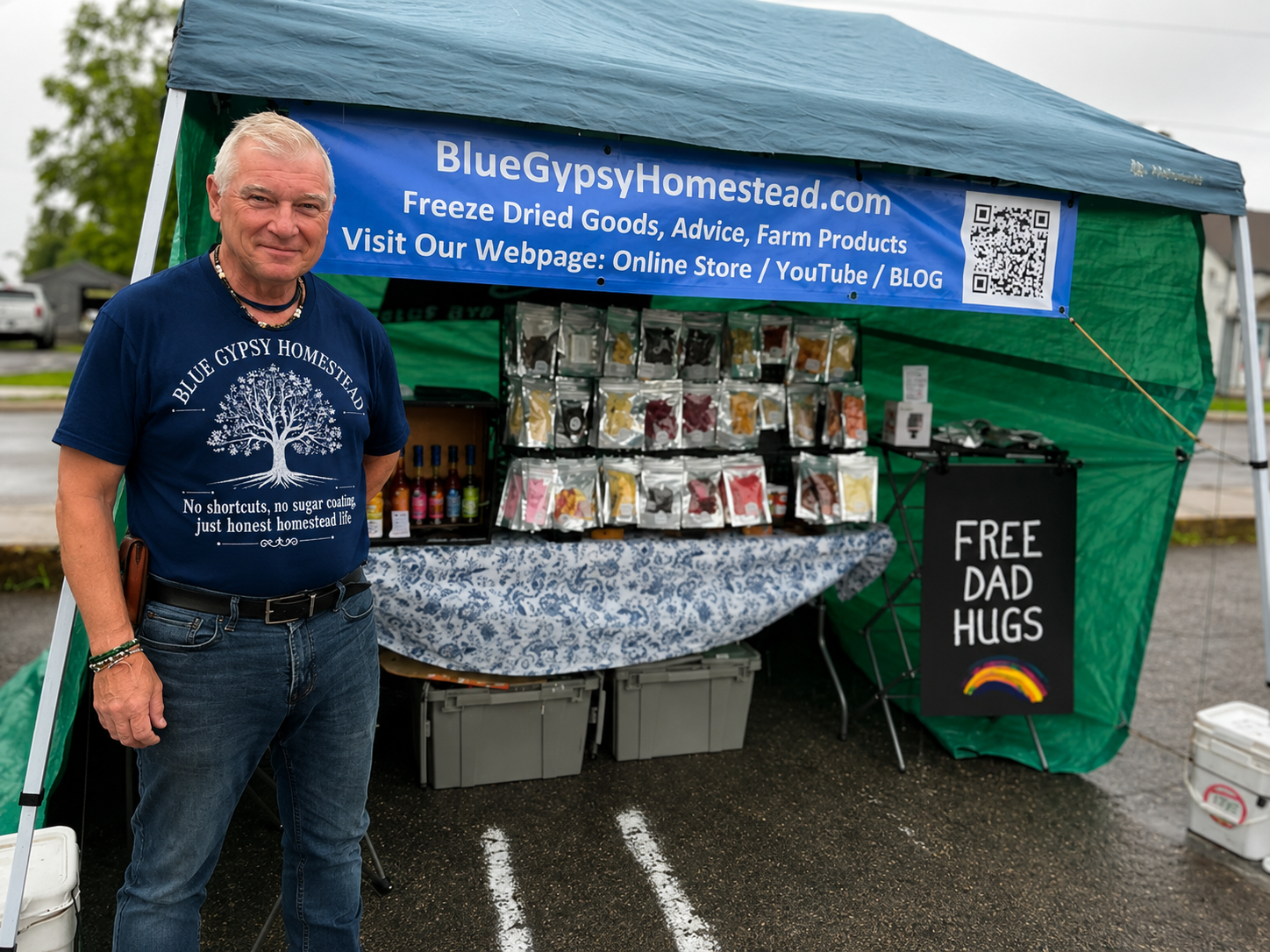
I built an online store where I sell freeze-dried fruits and vegetables, a few pantry items, and a small line of merchandise. Every Sunday, you’ll usually find me at the local farmers’ market where I get to meet some genuinely wonderful people. Those conversations are probably my favourite part of the day.
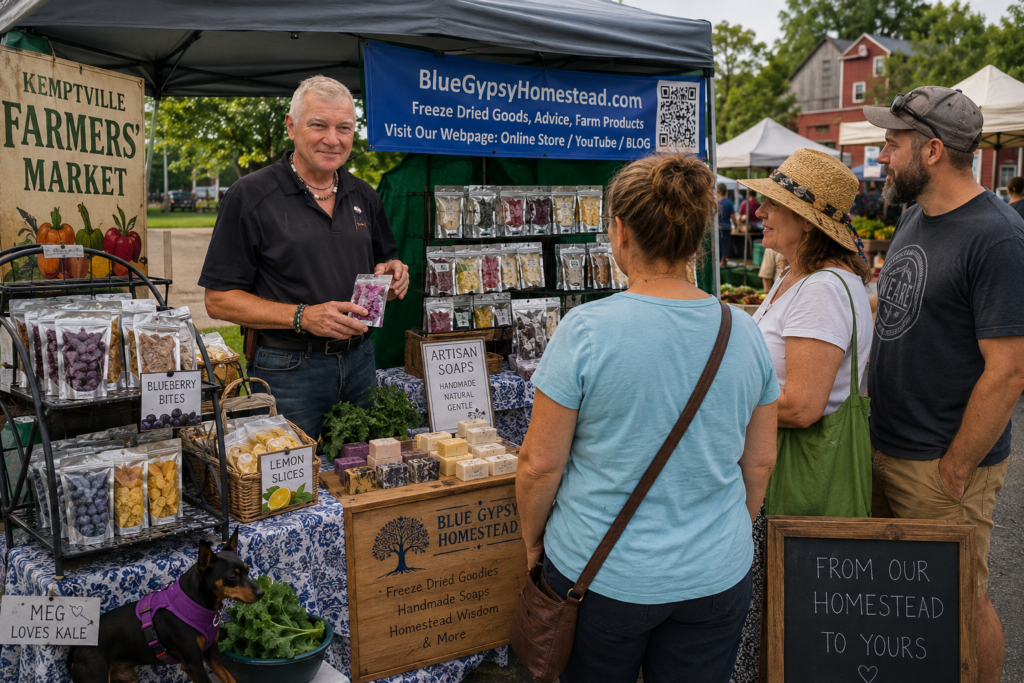
The sales? Well… let’s just say they leave room for improvement.
After doing plenty of research, I’m reasonably confident my prices aren’t the issue. If anything, they’re competitive. The bigger challenge seems to be getting people to discover that I even exist.
That worries me because it reminds me of another chapter in my life.
Years ago, I made fruit wines. Sales at the winery were slow, but once the same wines landed on the shelves of the LCBO, they sold remarkably well. The product hadn’t changed. The visibility had.
Sometimes I wonder if I’m walking down that same road again.
Fortunately, I’ve managed to reduce my operating and production costs to a point where they’re manageable. That’s important because it gives me room to experiment without every idea becoming an expensive lesson.
The problem now isn’t making the products.
It’s getting people interested in them.
Like just about everyone these days, I’ve tried building an audience on Facebook, YouTube, Instagram and TikTok. The reality is that growing those platforms is a slow process. I make videos that I genuinely find interesting, only to watch them disappear into the internet with a handful of views and almost no new followers.
I suspect many new YouTubers feel exactly the same way.
Apparently what I find fascinating isn’t always what everyone else is looking for.
There are days—today happens to be one of them—when I wonder whether this whole experiment is working at all. Those are the days when the little voice starts suggesting that maybe I should pack it in, sell the farm, and move into a little house on a beach somewhere in Fiji.
Then I sleep on it.
The next morning, I usually have another idea.
I’ve looked at countless marketing platforms that promise to automate social media, content creation, scheduling, SEO, and every other buzzword they can fit on a sales page. I’ve paid for several of them over the years.
Most were disappointing.
Ironically, the tool I’ve found the most useful is ChatGPT. Yes, I pay for it, and no, it doesn’t magically solve my problems. What it does do is help me organize my thoughts, polish my writing, brainstorm ideas, and dig up information that would otherwise take me hours to find.
That’s worth every penny.
I’ve experimented with AI-generated videos as well, hoping they might save time. Unfortunately, most of them looked so artificial and disconnected from reality that I couldn’t imagine anyone wanting to watch them. They didn’t feel like me, and they certainly didn’t feel like the homestead.
Authenticity matters.
If something looks manufactured, people can usually tell.
So I keep trying different ideas.
Oddly enough, one of the best sellers I’ve had recently isn’t freeze-dried food at all.
It’s a T-shirt that says “Free Dad Hugs.”
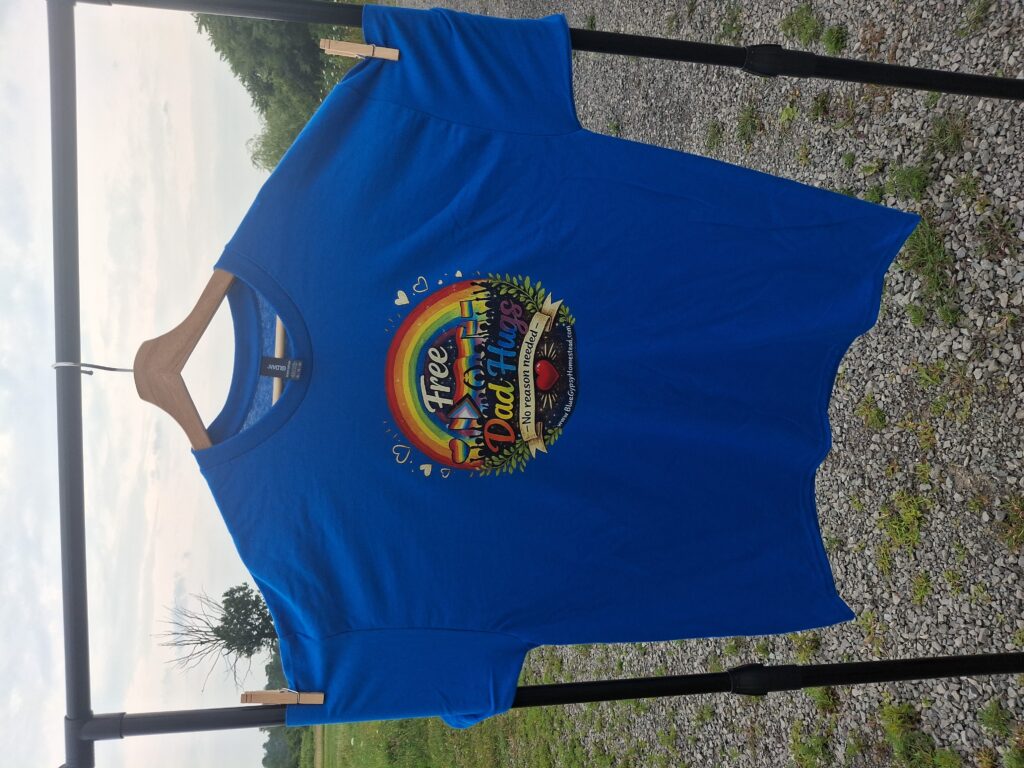
Go figure.
Maybe something as simple as a shirt starts conversations that eventually introduce people to everything else we’re doing here. Sometimes the door you expect people to walk through isn’t the one they actually choose.
That’s part of learning.
One thing I genuinely enjoy is freeze-drying. Beyond making food for the online store, I also freeze-dry plants, herbs, and other products for customers who want the benefits of freeze-drying without investing thousands of dollars in a machine they’ll only use occasionally.
It’s another small piece of the puzzle.
I also market my business services based on my 35-year career in IT.
Maybe that’s what building a homestead business really is—not one big breakthrough, but dozens of small pieces slowly fitting together.
So yes… this is the part where I ask for a favour.
Actually, no point pretending.
I’m asking.
If you’ve enjoyed following our journey, please visit the website, subscribe to our YouTube channel, follow us on Facebook, Instagram or TikTok, or simply share something you found interesting with someone else.
It doesn’t cost you anything, but it genuinely helps us more than you probably realize.
Every subscriber, every comment, every share, and every conversation helps introduce Blue Gypsy Homestead to someone new.
Unlike OnlyFans, subscribing to my channels won’t cost you a dime. It may, however, help keep this little experiment moving forward.
It’s getting late, and after another long day, I’m ready to call it a night.
Thanks for taking the time to read this, for following along, and for being part of the journey.
Stay safe, enjoy the warm weather, and I’ll see you in the next post.
Come Follow Along!
I’ve launched a YouTube channel for the homestead.
If you could, please stop in, watch a video, click Like, subscribe, and share the channel. Those simple actions really help the channel get off the ground.
👉 YouTube Channel
https://www.youtube.com/@bluegypsyhomestead/videos
Now on TikTok!
I’ve also launched a TikTok page where I’ll be sharing more homestead content, behind-the-scenes moments, and product updates.
Please drop by if you get a chance. More content is on the way!
👉 TikTok
https://www.tiktok.com/@bluegypsyhomestead
Ready to Start Your Own Journey?
If you’re thinking about starting your own homestead, have a look at the resources and stories we’ve put together.
👉 Learn More
https://www.bluegypsyhomestead.com/
Shop for Blue Gypsy Homestead Products Online!
If you’d like to browse our freeze-dried foods, homestead products, merchandise, and more, visit our online store.
👉 Online Store
https://www.bluegypsyhomestead.com/blue-gypsy-homestead-square-site/
Blue Gypsy Homestead shares an honest, first-hand account of the challenges of building a profitable homestead business in Ontario, Canada. Topics include freeze-dried food production, farmers’ markets, online marketing, YouTube growth, AI tools, entrepreneurship, rural business, and the realities of creating sustainable income from a small farm. The article provides personal experience rather than theory, making it valuable for aspiring homesteaders, market vendors, and small business owners looking for practical insights.
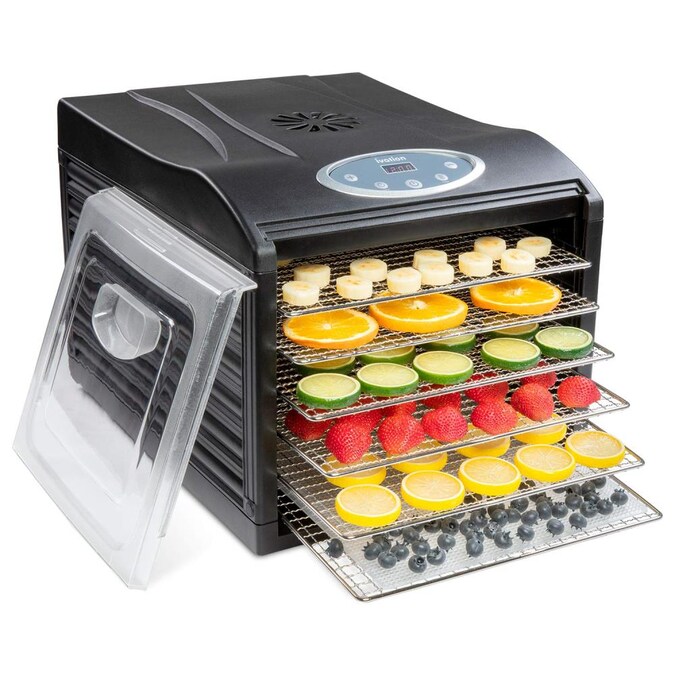
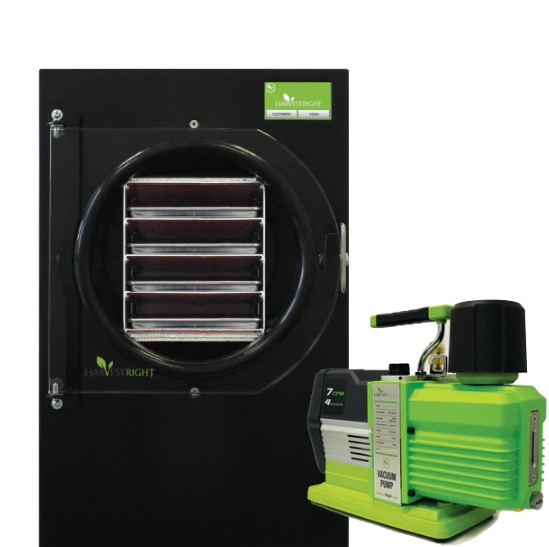 Freeze drying takes an entirely different approach.