
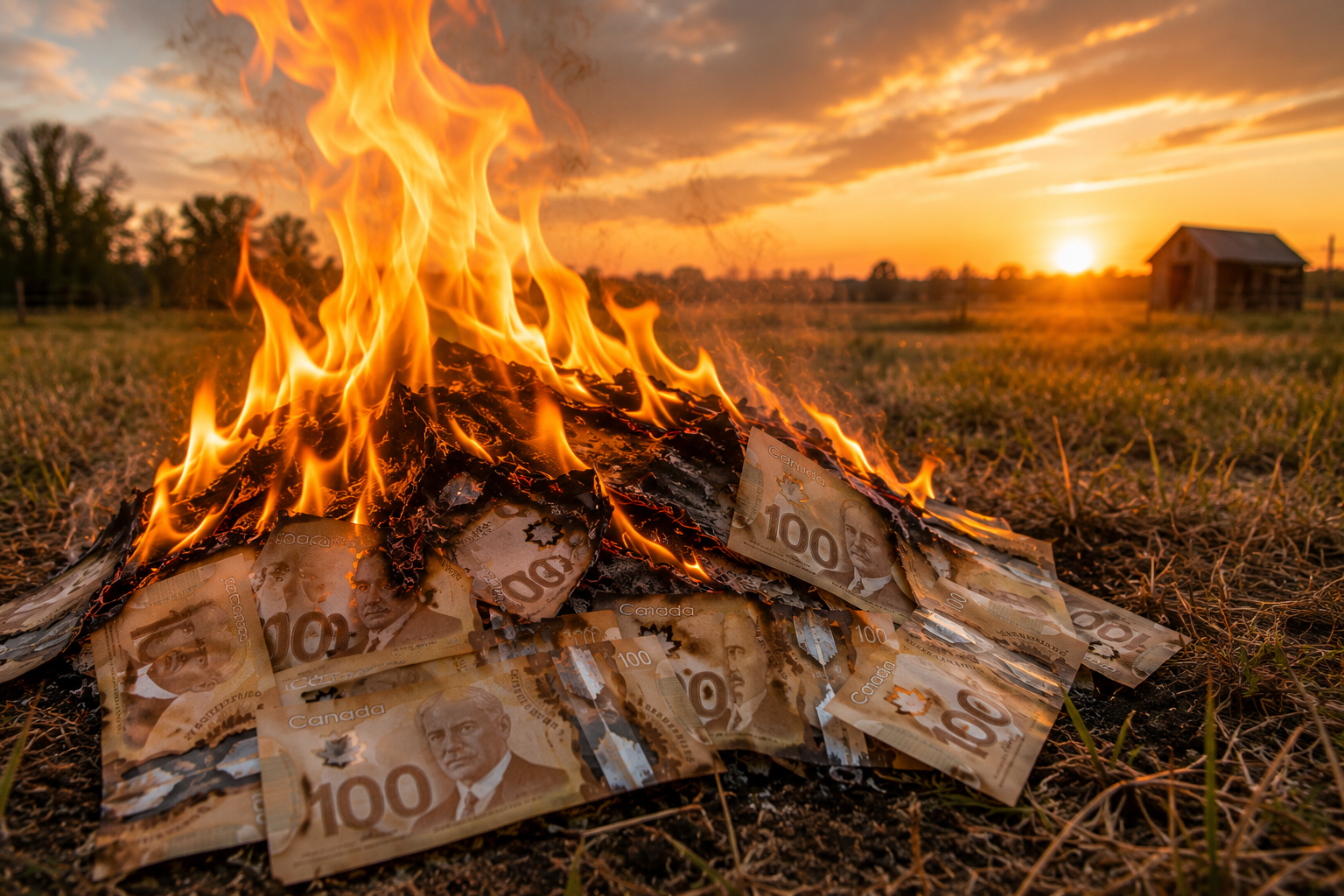
The Most Expensive Mistakes I’ve Made on the Homestead – BLOG – 2026-Sept-01

The Most Expensive Mistakes I’ve Made on the Homestead
If there’s one thing I’ve learned about homesteading, it’s that mistakes are part of the tuition.

Some lessons cost me very little.

      • I make a bad planting decision, learn from it, and move on.
      • I buy the wrong variety of something, and I’m out a few dollars.
      • I forget where I put a tool, and eventually find it.

Other lessons cost considerably more.

Those are the ones that tend to stick with me.

When I started Blue Gypsy Homestead, I had plenty of experience in business, IT, project management and problem-solving. What I didn’t have was decades of experience managing a 62-acre homestead.

Those are two very different things.

I knew how to manage projects.

I didn’t necessarily know how a project would behave when the weather, animals, land, equipment and my budget all decided to participate.

Over time, I’ve made some expensive mistakes.

      • Some involved money.
      • Some involved time.
      • Some involved both.

And I’ve learned that time can be every bit as expensive as money.

So, in the interest of being honest about the reality of homesteading, here are some of the more expensive lessons I’ve learned.


The Most Expensive Mistake: Trying to Do Too Much

This one probably doesn’t have a single receipt attached to it.

It has a lot of receipts attached to it.

When I first started building the homestead, I had a long list of things I wanted to accomplish.

      • Gardens.
      • Animals.
      • Infrastructure.
      • Food preservation.
      • Greenhouses.
      • Product development.
      • Farm improvements.
      • A business.

And, naturally, I wanted all of it to happen relatively quickly.

That was optimistic.

The problem with trying to do too much at once isn’t just the money.

It’s the attention.

Every new project requires planning, materials, construction, maintenance and eventually more maintenance.

One project creates another.

      • A new animal requires housing.
      • The housing requires fencing.
      • The fencing requires gates.
      • The gates require hardware.

And suddenly my original project has spawned four additional projects.

I’ve learned that I don’t need to accomplish everything immediately.

In fact, trying to do everything immediately can make it harder to accomplish anything properly.


Buying Before I Had a Complete Plan

I’ve made purchases because something seemed like a good idea at the time.

That’s an expensive sentence.

Sometimes the equipment genuinely was useful.

Other times, I discovered that I didn’t really need it.

This is particularly easy to do when you’re starting something new.

You see a tool that promises to make your life easier.

You imagine all the things you could do with it.

You buy it.

Then reality arrives.

Maybe I don’t use it often enough.

Maybe there’s another tool I already own that can do most of the same job.

Maybe the project I bought it for changes direction.

Maybe I underestimated the additional equipment I’d need to actually use it.

The lesson I’ve learned is simple:

Before I buy something, I need to understand what problem I’m actually solving.

Not what problem I might solve someday.

The actual problem.


Renting Instead of Owning Everything

Another lesson I’ve learned is that I don’t necessarily need to own every piece of equipment I might use.

There are some tools and machines that I might need once or twice a year. Buying one can seem like a good investment until I look at what it’s actually doing for the other 360 days.

      • It’s sitting there.
      • Taking up space.
      • Requiring maintenance.
      • Depreciating.

And, occasionally, reminding me that I spent a lot of money on something I barely use.

For equipment that I only need occasionally, renting can make much more sense. I can use a properly maintained machine when I actually need it, pay for the time I use it, and then return it when the job is finished. I don’t have to find somewhere to store it, maintain it, insure it or worry about its value declining while it sits unused.

Of course, renting isn’t always the better choice. If I use a piece of equipment regularly, buying it may make much more financial sense. But I’ve learned to ask myself a simple question before making a large equipment purchase:

“How many days a year am I actually going to use this?”

If the answer is five or ten days, renting might be the smarter investment.

After all, owning a piece of equipment isn’t the same thing as getting value from it.

Underestimating Infrastructure

Infrastructure is one of those things that isn’t particularly exciting.

Nobody gets very excited about drainage.

Nobody watches a homesteading video because they can’t wait to see someone install another gate hinge.

Yet infrastructure can determine whether everything else works.

      • Fencing.
      • Water.
      • Electricity.
      • Animal housing.
      • Storage.
      • Access.
      • Drainage.
      • Shelter.

These things aren’t glamorous, but they are foundational.

I’ve learned that cutting corners on infrastructure can become expensive later.

A temporary solution is sometimes perfectly reasonable.

But a temporary solution that becomes permanent without being properly evaluated can eventually cost more than doing it correctly in the first place.

I’ve had to learn the difference.


The “I’ll Fix It Later” Trap

This one has probably cost me more time than money.

I’ll notice something that needs attention.

I think:

I’ll take care of that later.

Sometimes later works.

Sometimes later becomes next week.

Next week becomes next month.

And eventually the little problem has become a much bigger problem.

That’s particularly true outside.

Weather has a wonderful way of turning small problems into larger ones.

      • A small leak becomes water damage.
      • A loose board becomes a broken board.
      • A minor fence problem becomes an escape route.
      • A little bit of maintenance ignored today can become a repair project tomorrow.

I’m getting better at dealing with small problems while they’re still small.

It’s not always exciting.

It is usually cheaper.


Learning the Hard Way About Animal Housing

Animals have taught me some expensive lessons.

I can look at an enclosure and think:

“That should be secure.”

The animal may have a completely different opinion.

Rabbits are particularly good at finding opportunities.

Predators are even better at finding weaknesses.

I’ve learned that animal housing has to be designed for the animal I’m actually keeping—not the animal I imagine I’m keeping.

That means considering:

      • Escape
      • Predators
      • Weather
      • Ventilation
      • Cleaning
      • Feeding
      • Water
      • Access
      • Maintenance
      • Future expansion

And I need to think about all of those things before I build.

Not afterward.


The Rabbit Palace Lesson

I’ve had more than one reminder that livestock management requires attention to detail.

One of the more memorable incidents involved the rabbit enclosure.

A door was left open.

Suddenly, I had rabbits wandering around the property.

That was not part of the day’s plan.

It turned into a rather entertaining exercise in rabbit retrieval, but it also reinforced something important.

The best enclosure in the world isn’t particularly useful if I forget to close the door.

Sometimes the expensive lesson isn’t about buying better equipment.

It’s about having better procedures.

It’s about paying attention.


Underestimating the Cost of Feed

Livestock don’t care whether the price of feed has gone up.

They still expect breakfast.

And lunch.

And dinner.

And everything else that rabbits apparently consider a reasonable meal schedule.

When planning livestock, it’s easy to focus on the initial cost.

      • How much does the animal cost?
      • How much does the housing cost?
      • How much will the equipment cost?
      • But the ongoing cost is what matters.
      • Feed is recurring.
      • Bedding is recurring.
      • Maintenance is recurring.

And those recurring costs add up.

I’ve learned to think about livestock in terms of total cost of ownership, not simply the cost of acquiring the animal.

That’s a business concept I already understood.

I just had to apply it to the farm.


The Garden Has Cost Me Money Too

People sometimes assume that growing your own vegetables is automatically cheaper than buying vegetables.

It can be.

But not necessarily.

I’ve bought:

      • Seeds.
      • Soil amendments.
      • Containers.
      • Tools.
      • Irrigation supplies.
      • Fencing.
      • Trellising materials.
      • Greenhouse supplies.
      • And probably a few things I’ve forgotten.

Then there is the cost of failed crops.

A crop that doesn’t produce isn’t just disappointing.

It represents time and resources that didn’t produce a return.

That’s one reason I’m becoming more analytical about gardening.

I’m paying attention to what grows well here.

I’m paying attention to what doesn’t.

I’m paying attention to how much work each crop requires.

And I’m asking an increasingly important question:

Is this worth growing?

Sometimes the answer is yes because I enjoy growing it.

Sometimes the answer is yes because it produces food.

Sometimes the answer is yes because I can preserve it or turn it into a product.

And sometimes the answer is simply no.


Not Planning for the Harvest

This one can seem like a strange mistake.

Isn’t having too much food a good problem?

Yes.

But it’s still a problem.

If I grow more than I can eat, I need a plan.

      • Canning.
      • Freezing.
      • Dehydrating.
      • Freeze-drying.
      • Storage.
      • Sharing.
      • Selling.
      • Otherwise, all that effort eventually becomes waste.

I’ve learned that the harvest plan needs to begin before the harvest.

That lesson has influenced the way I’m approaching my food preservation and freeze-drying activities.

I’m not just interested in growing food.

I’m interested in finding ways to extend its useful life.


Spending Too Much Time on the Wrong Things

This may actually be one of my most expensive mistakes.

Money can sometimes be recovered.

Time cannot.

I’ve spent hours working on things that, in retrospect, weren’t particularly important.

I’ve spent too much time trying to make something perfect when “good enough” would have worked.

I’ve spent time researching things that I could have learned faster by simply trying them.

I’ve spent time solving problems that weren’t actually urgent.

That’s why I’m becoming more deliberate about prioritization.

The question isn’t just:

“What needs to be done?”

It’s:

“What needs to be done first?”

There is a big difference.


Trying to Make Everything Perfect

Perfection is expensive.

It costs money.

It costs time.

And sometimes it prevents me from finishing anything.

When I started, I had a tendency to want things done properly from the beginning.

That’s a good instinct in some circumstances.

But on a developing homestead, circumstances change.

What makes sense today may not make sense next year.

      • The animal area may need to change.
      • The garden layout may change.
      • The products I sell may change.
      • The business model may change.

I’ve learned to distinguish between:

“This needs to be built properly.”

and

“I want this to look perfect.”

Those aren’t the same thing.


Not Thinking About the Business Side Early Enough

This is an interesting one because I already had a business background.

      • I have a college diploma in Business Administration/Marketing.
      • I’ve spent decades working in business and IT.
      • I understand budgets.
      • I understand processes.
      • I understand project management.

Yet it took some time to fully apply that mindset to the homestead.

A homestead business needs to know:

      • What does something cost?
      • How much time does it take?
      • What can I charge?
      • What does the customer actually want?
      • What is the margin?
      • How much inventory do I need?
      • What products are worth continuing?

Those questions matter.

It’s not enough to make something I like.

If I’m selling it, I need to understand whether it makes business sense.


Ignoring the Cost of My Own Time

This is closely related.

When I make something myself, it’s tempting to only calculate the ingredients.

If I use $5 worth of ingredients and sell the finished product for $10, it might look like I’ve made $5.

Not necessarily.

      • How long did it take?
      • What did the packaging cost?
      • What did the label cost?
      • How much electricity did I use?
      • What equipment was involved?
      • What was the cost of shipping?
      • What was the market fee?
      • What about the time spent preparing the product?

Once I start adding those things, the economics can look very different.

I’ve learned that my time is an input.

It has value.

If I ignore that, I’m not really calculating profitability.

To account for that, I now add in a $20 an hour fee for the time I spend on things and this provides me a realistic idea of what something costs.


Learning That Cheap Isn’t Always Cheap

I’ve bought inexpensive things because I was trying to save money.

Sometimes that was the right decision.

Sometimes it wasn’t.

A cheap item that needs to be replaced twice isn’t necessarily cheaper than buying a better one once.

I’ve become much more interested in value rather than simply price.

      • What will it cost me over its useful life?
      • How much maintenance will it require?
      • Will it do the job properly?
      • Will I use it regularly?
      • Can I repair it?

Those questions have become much more important to me.


The Most Expensive Mistake Isn’t Really About Money

When I look back at my mistakes, I can identify specific things that cost money.

But I think the bigger lesson is something else.

I’ve learned that I need to slow down enough to think.

That’s not always easy.

      • There is always something that needs attention.
      • There is always another project.
      • There is always another idea.

And I have plenty of ideas.

But I’ve learned that a good idea isn’t necessarily a good idea right now.

      • Timing matters.
      • Resources matter.
      • Cash flow matters.
      • Available time matters.

And sometimes the smartest decision is to put an idea on the shelf until the circumstances are better.


What I Do Differently Now

I’m still learning.

I’m still making mistakes.

I’m still occasionally buying something and later wondering what I was thinking.

That should never stop.  I was told that if I was the smartest person in a room, I’m in the wrong room because I’m not learning anything.

But I’m getting better at asking questions before I act.

      • What problem am I actually trying to solve?
      • What will this really cost?
      • How much time will it take?
      • What happens if it doesn’t work?
      • Can I accomplish the same thing another way?
      • Do I actually need to do this now?
      • Will this make the homestead better, or am I simply creating another project?

Those questions have saved me money.

They’ve also saved me time.

And sometimes, they’ve saved me from creating another problem for myself.


Mistakes Are Part of the Investment

I wish I could say that I’ve figured everything out.

I haven’t.

I probably never will.

But I’m starting to think that’s okay.

The mistakes are part of the process.

      • Every failed project teaches me something.
      • Every unnecessary purchase teaches me something.
      • Every crop failure teaches me something.
      • Every animal housing problem teaches me something.
      • Every product that doesn’t sell teaches me something about the market.
      • Every time I make a mistake that I don’t repeat, I’ve gained something from it.

That’s probably the best way I can look at the money I’ve lost along the way.

It was expensive education.

Some of those lessons cost more than others.

But if I learn from them, they’re not completely wasted.


The Real Goal

I’m not trying to build a perfect homestead.

I’m trying to build a working homestead.

      • Something that produces food.
      • Something that allows me to preserve that food.
      • Something that provides opportunities to develop products.
      • Something that can generate income.
      • Something that makes good use of the land and resources I have.
      • Something that I can realistically manage as one person.

That’s changed the way I look at almost everything.

      • I don’t need the biggest operation.
      • I don’t need the most expensive equipment.
      • I don’t need to do everything.

I need to do the right things for this homestead.

And sometimes figuring out what those things are requires making a few mistakes first.

Hopefully, sharing some of mine means somebody else can avoid making the same ones.

Because if there’s one thing I’ve learned, it’s this:

The best mistake is the one somebody else already made for you.


🌱 Follow the Blue Gypsy Homestead Journey

I share what I’m learning about homesteading, business, food preservation, technology, AI, photography, gardening, livestock and the ongoing process of turning Blue Gypsy Homestead into a working one-man business.

▶️ YouTube

Follow my homesteading projects, gardening, food preservation, rabbit raising, product development and the everyday realities of running a homestead by myself.

Blue Gypsy Homestead on YouTube

🎵 TikTok

Follow me for shorter videos, quick updates, behind-the-scenes projects and the occasional homestead lesson learned the hard way.

Blue Gypsy Homestead on TikTok

🌱 Learn More

Learn more about Blue Gypsy Homestead, my projects, business services and the journey I’m documenting along the way.

Blue Gypsy Homestead – Learn More

🛒 Online Store

Browse my freeze-dried foods, seasoning salts, smoked seasonings, pre-mixed spice blends, merchandise and other products from Blue Gypsy Homestead.

Blue Gypsy Homestead Online Store


Blue Gypsy Homestead is a 62-acre farm located approximately 35 minutes south of Ottawa, Ontario, Canada. I operate the property as a one-man homestead and small business focused on practical homesteading, gardening, livestock, food preservation, freeze-drying, value-added food products and rural entrepreneurship. In this article, I share some of the most expensive mistakes I’ve made while developing the homestead, including taking on too many projects, purchasing equipment without fully defining the need, underestimating infrastructure and livestock costs, failing to account for the value of my time, and learning to apply my business and marketing background more deliberately to homestead operations. My goal is to share the lessons I’ve learned through experience so that other homesteaders can make more informed decisions about their own land, projects, budgets and businesses.
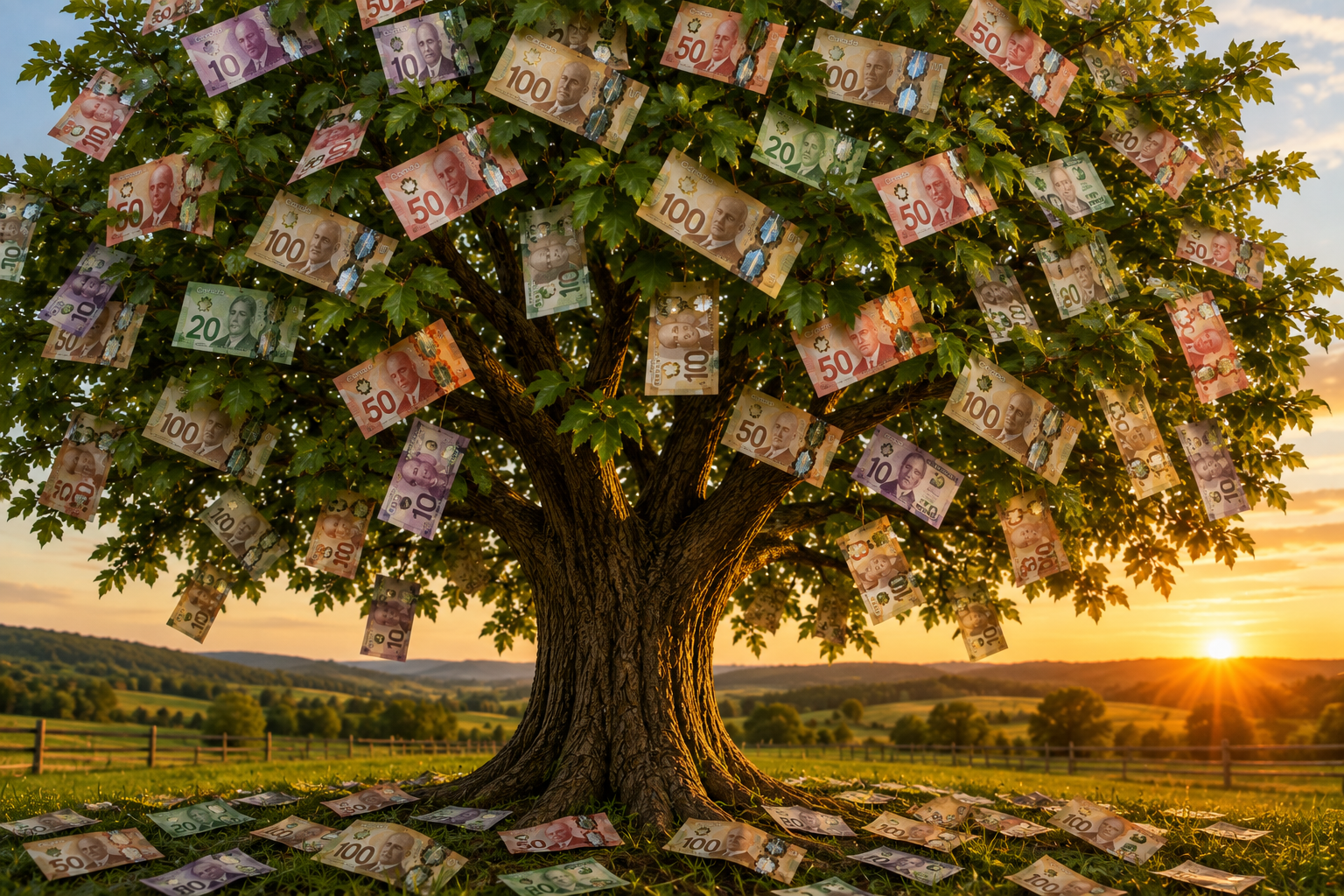
The Things About Homesteading Nobody Puts on the Internet – BLOG – 2026-Aug-29

The Things About Homesteading Nobody Puts on the Internet

In 2019, two major events changed the course of my life. I closed the winery, and my wife and I decided to go our separate ways. We sold the house, and I made the decision to renovate the old winery building into my new home. At the time, I had no idea just how much that decision would change my life. What started as a practical solution to a major transition eventually became the beginning of an entirely new journey—one that would lead me to homesteading.

When I started looking into homesteading, I did what most people probably do.

    • I went online.
    • I watched videos. I read articles. I looked at photographs of beautiful gardens, neatly stacked firewood, happy chickens wandering through green grass, perfectly organized pantries and baskets overflowing with vegetables.

It all looked wonderful.

And, to be fair, some of it really is wonderful.

What I didn’t see nearly as often were the less glamorous parts.

      • The broken equipment.
      • The muddy boots.
      • The endless cleaning.
      • The projects that take three times longer than expected.
      • The money that disappears into things I never knew I needed.
      • The vegetables that refuse to grow.
      • The animals that have their own ideas about how things should work.

And the fact that sometimes I spend an entire day working outside and, at the end of it, I’m not entirely sure what I accomplished.

That’s the part of homesteading that doesn’t always make it onto the internet.

So, after spending some time doing this myself, I thought I’d talk about it.

Not to discourage anyone from homesteading.

Quite the opposite.

I think understanding the reality makes the good parts even better.


Homesteading Is a Lot of Work

This probably shouldn’t come as a surprise, but I underestimated it anyway.

      • There is always something to do.
      • If I’m not working in the garden, something needs repairing.
      • If nothing needs repairing, there is probably something that needs cleaning.
      • If everything is clean, there are animals to feed.
      • If the animals are fed, there is probably a fence that needs attention.
      • And if everything is somehow working perfectly, I can always find another project.

That’s one of the realities of having land.

Things don’t stay finished.

      • A garden doesn’t become “done.”
      • A fence doesn’t stay perfect forever.
      • Buildings need maintenance.
      • Equipment needs attention.
      • Animals need care.

The work doesn’t end simply because I finished the project I started that morning.

I’ve learned to accept that.

The homestead is less like a list of projects and more like a living system that requires ongoing attention.


Things Break

This is another one that doesn’t photograph particularly well.

      • A piece of equipment breaks.
      • A hinge fails.
      • A board rots.
      • A water line leaks.
      • A tool stops working.
      • A gate doesn’t close properly.
      • Something that worked perfectly yesterday suddenly doesn’t.
      • And, of course, it usually happens when I need it most.

I’ve learned that maintenance is part of homesteading.

It’s not something I do only when something breaks.

I’m getting better at looking at things and asking:

“What is likely to fail next?”

This isn’t negativity, it’s just good planning.  Sometimes spending a little time fixing a small problem today prevents a much bigger problem later.

Not always.

But often enough that I’ve learned to pay attention.


The Weather Is in Charge

I can make plans.

The weather does not care.

I can decide that today is the perfect day to plant something, build something, paint something or work on a particular project.

      • Then it rains.
      • Or it gets too hot.
      • Or the wind picks up.
      • Or the temperature drops.
      • Or we get an unexpected stretch of weather that changes everything.

Gardening has made this especially obvious.

I can prepare the soil, plant carefully and do everything I think I’m supposed to do.

Then Mother Nature gets involved.

Sometimes she helps.

Sometimes she doesn’t.

I’ve learned that one of the most useful homesteading skills is being able to change plans without becoming frustrated by the fact that the original plan didn’t survive contact with reality.


A Garden Does Not Follow a Schedule

I used to think of gardening in fairly simple terms.

      • Plant.
      • Water.
      • Grow.
      • Harvest.

The reality is considerably more complicated.

      • Some things grow beautifully.
      • Some things barely grow at all.
      • Some plants produce much earlier than expected.
      • Others seem to be waiting for a completely different season.
      • Sometimes everything ripens at once.

That’s when the fun really starts.

Suddenly I have more vegetables than I can eat, and I need to decide what I’m going to do with them.

That’s why I’ve become increasingly interested in food preservation.

Canning, freezing, dehydrating and freeze-drying aren’t just hobbies for me.

They’re ways of dealing with the reality of having a productive garden.

The goal isn’t simply to grow food.

It’s to make use of the food I grow.


More Food Can Actually Create More Work

This sounds like a strange problem to have.

It isn’t.

Imagine spending months trying to get a garden producing well.

Then it works.

Really well.

Suddenly I have tomatoes everywhere.

Or peppers.

Or herbs.

Or berries.

That’s a good problem to have, but it’s still a problem that needs solving.

Fresh food doesn’t wait for my schedule.

If I don’t preserve it, use it or give it away, eventually it becomes waste.

That’s one reason I’ve been experimenting with freeze-drying.

Freeze-drying gives me another way to preserve some of the food I grow and turn seasonal abundance into something I can store and use later.

It also led me to another opportunity: custom freeze-drying services for people who have their own garden surplus but don’t own a freeze dryer.

Sometimes one homestead project leads naturally to another.


Animals Don’t Follow My Schedule Either

I’ve also learned that animals are very good at reminding me who is actually in charge.

I can have a plan for the rabbits.

The rabbits may have a different plan.

I can build an enclosure that I think is secure.

The rabbits may immediately begin investigating how to defeat it.

I’ve learned that raising animals means paying attention.

      • They need food.
      • They need water.
      • They need clean housing.
      • They need protection.
      • They need observation.
      • And they occasionally need me to solve a problem that wasn’t on my schedule for the day.

There was also the memorable occasion when a rabbit enclosure door was left unsecured and I suddenly had rabbits exploring the property.

That was not part of the plan.

It was, however, a very effective lesson in making sure doors are actually closed.


Homesteading Costs Money

This is one of the biggest misconceptions I had to reconsider.

Homesteading can save money in some areas.

It can also cost quite a bit of money.

      • Seeds cost money.
      • Feed costs money.
      • Fencing costs money.
      • Lumber costs money.
      • Tools cost money.
      • Animal housing costs money.
      • Equipment costs money.

And then there are all the little things.

A small purchase here.

Another one there.

Before long, the “inexpensive” project has accumulated quite a bill.

I’ve learned that I need to look at homesteading as an investment rather than assuming everything I produce will automatically be cheaper than buying it.

      • Sometimes I save money.
      • Sometimes I don’t.
      • Sometimes I gain something more valuable than the difference in price.

Knowing where my food came from has value.

Learning a new skill has value.

Being able to preserve my own food has value.

Becoming more capable has value.

Those things don’t always show up on a spreadsheet.


Your Time Has Value Too

This is another one I didn’t fully appreciate at the beginning.

If I spend four hours growing, harvesting and processing something that costs very little at the grocery store, I need to be honest about what I’m actually doing.

I’m not necessarily saving money.

I’m choosing to spend my time differently.

And that’s perfectly legitimate.

The important thing is recognizing the difference.

I enjoy many of the things I do on the homestead.

That’s part of the reason I’m doing them.

But enjoying something doesn’t mean my time has no value.

I’ve become much more conscious of that as I’ve started turning some homestead activities into products for my store.

If I’m making seasoning salts, freeze-dried foods or other products, I need to understand not just the ingredient cost but also the time and effort involved.

That’s where homesteading and business start meeting each other.


You Will Buy Things You Don’t Need

I have learned this lesson more than once.

I’ll see a tool or piece of equipment and think:

“That would make things easier.”

Sometimes it does.

Sometimes it turns out to be something I rarely use.

I’ve become much more cautious about buying equipment simply because it looks useful.

Now I ask myself:

What problem does this actually solve?

If I can’t answer that question clearly, I probably don’t need it yet.

This has become particularly important because I’m trying to build Blue Gypsy Homestead without spending money simply for the sake of expanding.

Sometimes the best tool is the one I already own.


Simple Projects Rarely Stay Simple

I’ve learned not to use the phrase “This should be easy.”

It seems to tempt fate.

I’ll start a project thinking it should take an afternoon.

Then I discover a problem.

Solving that problem creates another problem.

That requires a different solution.

And suddenly I’m looking at a project that has evolved into something completely different from what I originally imagined.

This happens frequently enough that I’ve learned to build flexibility into my plans.

I also try to remind myself that not every project needs to be completed in one day.

That’s easier said than done.

But I’m getting better at it.


Homesteading Requires Learning Constantly

There is a lot I don’t know.

That’s not a complaint; it’s actually one of the things I enjoy most.

      • Every season gives me something new to learn.
      • Every animal teaches me something.
      • Every crop teaches me something.
      • Every failed project teaches me something.

Sometimes the lesson is:

“That was not a good idea.”

That’s still useful information.

      • I’ve discovered that I don’t need to know everything before I start.
      • I need to be willing to learn as I go.
      • Research is valuable.
      • Experience is even more valuable.
      • And the combination of the two is where I seem to make the most progress.

You Have to Be Comfortable With Failure

This is probably one of the most important lessons I’ve learned.

      • Not everything works.
      • Some plants fail.
      • Some projects fail.
      • Some ideas aren’t practical.
      • Some products don’t sell.
      • Some equipment purchases aren’t as useful as I expected.

That’s part of the process.

I used to see failure as evidence that I had done something wrong.

Now I try to see it as information.

If something fails, I want to understand why.

      • Was the timing wrong?
      • Was the design wrong?
      • Did I underestimate the cost?
      • Did I misunderstand what customers wanted?
      • Did I simply get unlucky?

Once I know why something didn’t work, I can make a better decision the next time.

That’s progress.


The Homestead Is Never Going to Look Like the Pictures

This might be my favourite one.

The internet is very good at showing the best five minutes.

      • A beautiful sunrise.
      • A basket of vegetables.
      • A perfectly organized pantry.
      • A rabbit sitting peacefully in the sunshine.
      • A freshly built garden bed.

What you don’t always see is what happened immediately before the photograph.

      • The weeds.
      • The mud.
      • The broken fence.
      • The tools scattered everywhere.
      • The failed crop.
      • The animal enclosure that needs cleaning.
      • The project that is only halfway finished.

That’s my reality.

And I’ve become comfortable with it.

My homestead isn’t a magazine spread.

It’s a working property.

It’s supposed to show evidence that something is happening.


Sometimes I Don’t Accomplish as Much as I Planned

This is another reality that isn’t particularly photogenic.

There are days when I have a long list of things I want to accomplish.

Then something unexpected happens.

      • Maybe a repair takes longer than expected.
      • Maybe the weather changes.
      • Maybe an animal needs attention.
      • Maybe I discover a problem I didn’t know existed.

At the end of the day, I may have completed only one thing on my list.

It can be frustrating.

But I’ve learned that one important thing accomplished is still progress.

Homesteading isn’t a race.

The property isn’t going anywhere.

There will be another day.


You Don’t Need to Do Everything Yourself

This is something I think gets misunderstood.

Self-sufficiency doesn’t have to mean doing absolutely everything yourself.

      • I can grow food and still buy things.
      • I can raise animals and still purchase feed.
      • I can preserve food and still go to the grocery store.
      • I can build things and still buy equipment.
      • I can learn skills without pretending I have every skill.

For me, homesteading is about becoming more capable and less dependent, not about eliminating every outside resource from my life.

There is a difference.

And I think it’s a healthier way to approach the idea.


Homesteading Is Not Always Productive

Sometimes I spend time outside and simply enjoy being there.

That’s not necessarily wasted time.

There is something satisfying about walking through the garden, checking the animals, looking at what’s growing and seeing the property change with the seasons.

      • Not everything has to become a product.
      • Not every activity has to generate income.
      • Not every hour has to produce something measurable.

Sometimes the benefit is simply knowing that I’m building something that matters to me.


The Good Parts Are Better Than the Internet Makes Them Look

Here’s the funny thing.

After talking about all of the things nobody puts on the internet, I don’t want to give the impression that homesteading is miserable.

It isn’t.

There are moments that are genuinely wonderful.

      • Harvesting something I grew myself.
      • Eating food from my own garden.
      • Watching animals grow.
      • Opening a jar of something I preserved months earlier.
      • Taking an ingredient from the garden and turning it into a product.
      • Solving a problem I couldn’t solve before.
      • Standing outside early in the morning when everything is quiet.

Those moments are real too.

And they’re probably the reason I keep doing all the other work.


What Homesteading Has Really Taught Me

The biggest surprise for me is that homesteading isn’t really about creating a perfect life.

It’s about creating a more intentional one.

      • I’m learning to pay attention.
      • I’m learning to use what I have.
      • I’m learning to preserve abundance.
      • I’m learning to repair instead of replace when it makes sense.
      • I’m learning to accept that plans will change.
      • I’m learning that mistakes are part of the process.
      • And I’m learning that progress doesn’t always look impressive from the outside.

Sometimes progress is a new garden bed.

Sometimes it’s a repaired fence.

Sometimes it’s a successful litter of rabbits.

Sometimes it’s a jar of seasoning salt.

Sometimes it’s simply figuring out a better way to do something I’ve already done ten times.

That’s the part of homesteading I wish I had seen more often when I started.

It’s not perfect.

It’s not always efficient.

It isn’t always inexpensive.

It isn’t always easy.

But it is real.

And for me, that’s what makes it worthwhile.


🌱 Follow the Blue Gypsy Homestead Journey

I share the good, the bad, the unfinished projects and the lessons I’m learning as I continue building Blue Gypsy Homestead into a productive one-man homestead and business.

▶️ YouTube

Follow my homesteading projects, gardening, rabbit raising, food preservation, freeze-drying, product development and everyday life on the homestead.

Blue Gypsy Homestead on YouTube

🎵 TikTok

Follow me for shorter videos, quick updates, behind-the-scenes projects and the occasional homestead surprise.

Blue Gypsy Homestead on TikTok

🌱 Learn More

Learn more about my homestead, projects, services, products and the journey I’m documenting along the way.

Blue Gypsy Homestead – Learn More

🛒 Online Store

Browse the products I’m making and selling from Blue Gypsy Homestead, including freeze-dried foods, seasoning salts, smoked seasonings, spice blends, merchandise and other homestead products.

Blue Gypsy Homestead Online Store


Blue Gypsy Homestead is a 62-acre farm located approximately 35 minutes south of Ottawa, Ontario, Canada. I operate the homestead as a one-man operation focused on practical homesteading, gardening, livestock, food preservation, freeze-drying, value-added food products and rural entrepreneurship. Through my blog and social media channels, I share the realities of building a working homestead, including the ongoing maintenance, costs, unexpected problems, failed projects, gardening challenges, livestock responsibilities and lessons that are often missing from idealized online portrayals of homestead life. My goal is to document the experience honestly while sharing practical information that can help others understand what homesteading actually involves.